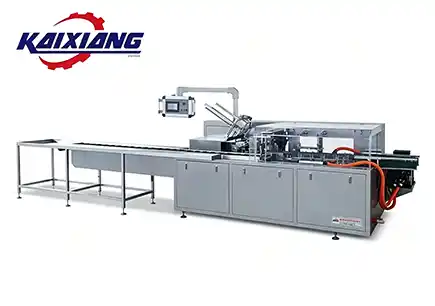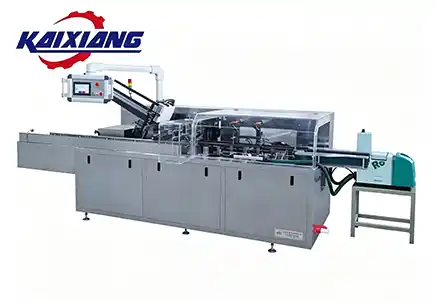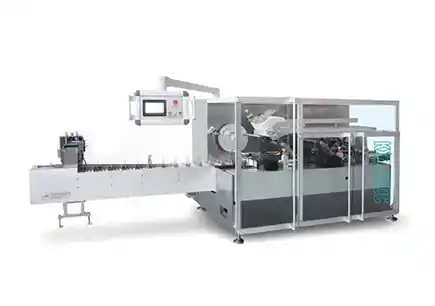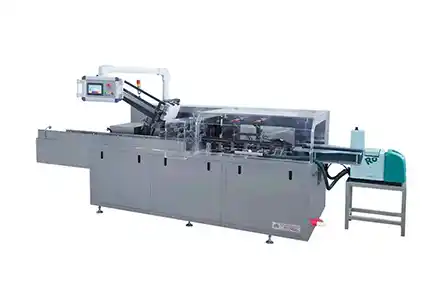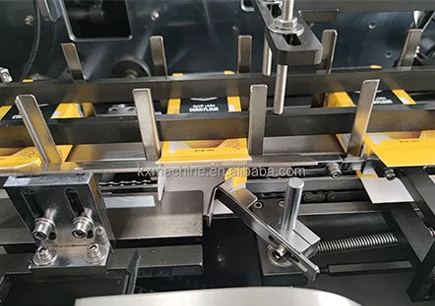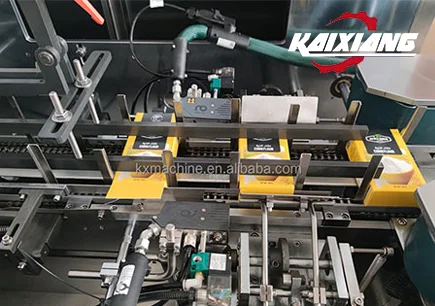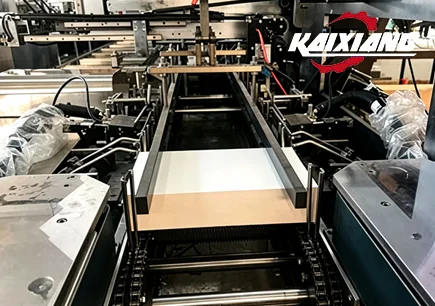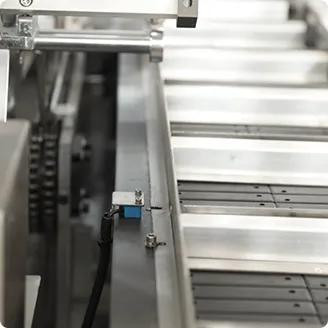

Ever wonder how a flat piece of cardboard becomes a sealed product carton in seconds? This step-by-step guide walks through the complete cartoning cycle—from blank erection to coded, sealed box ready for shipment.
Stick pack collation systems determine how pouches are grouped and loaded into cartons. This guide compares stack and lay-flat configurations—their design principles, product suitability, and impact on cartoner infeed.
Lightweight flexible pouches like stick packs present unique accumulation challenges. This guide compares zero-pressure, medium-pressure, and alpine conveyors to help you select the right buffering solution for your line.
Stick pack lines require careful speed matching and buffering between primary packaging, cartoning, and case packing. This guide covers calculation methods, buffer types, and practical strategies to prevent bottlenecks.
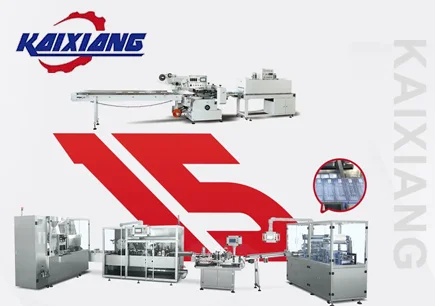
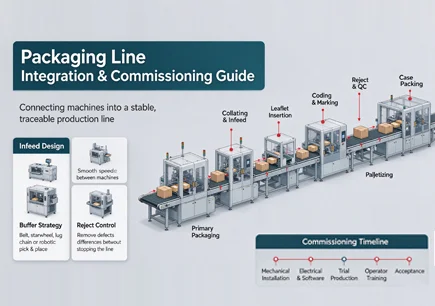
Setting up a complete stick pack to box line involves more than connecting two machines. This guide covers primary packaging, collation, cartoning, and case packing—with key integration considerations for each stage.
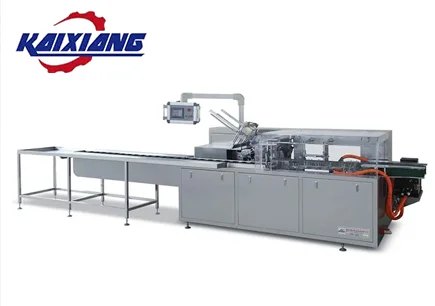
Choosing between horizontal and vertical cartoning machines for your packaging line? This guide compares machine types, speed ranges, and application fit to help you select the right equipment for food, pharma, and daily chemical production.
Integrating a master carton packer with your cartoner requires careful speed matching and accumulation planning. This guide covers the key principles, buffer strategies, and integration considerations for food, pharma, and daily chemical lines.
Choosing between glue seal and tape seal for your master carton packing line? This guide compares cost, strength, maintenance, and application fit to help you decide which closure method suits your products and supply chain.
After cartoning, how do you get boxes into shipping cases? This guide compares manual, semi-automatic, and automatic case packing options for food and supplement lines—with labor, speed, and ROI considerations.
Many buyers spec cartoners based on peak machine speed—then discover actual output is 30-40% lower. This guide provides a calculation framework using OEE methodology to determine your true throughput requirement before you buy.
Converting stick packs into retail-ready cartons? This guide covers automation levels, infeed compatibility, and changeover needs for food and supplement lines. Learn how to match equipment to your production volume.
Choosing between a continuous and intermittent motion cartoner affects speed, product handling, and maintenance. This guide compares both types to help you match the right technology to your packaging line.