

 Sep 07
Your cartoning line runs well—when it runs. But every time you switch from one product to another, the machine stops for 45 minutes, sometimes longer. Operators scramble with wrenches, adjusting guides, swapping parts, and running test cycles. By the time production restarts, you have lost valuable output—and the next changeover is only a few hours away.
For manufacturers running multiple SKUs—whether stick packs, bottles, tubes, or blister packs—changeover time is often the single biggest drag on Overall Equipment Effectiveness (OEE). A machine that runs at 150 cartons per minute but spends a significant portion of its shift in changeover delivers less usable output than a slower machine that stays running. Reducing changeover time is consistently recognized as one of the most effective methods to improve OEE. This guide explains how a modular cartoning line addresses this problem, what design features enable faster changeovers, and how to evaluate whether modularity makes sense for your operation.
For an overview of cartoning platforms designed for different product types—from stick packs to blister packs—explore our stick pack cartoning solutions and blister pack cartoning solutions.
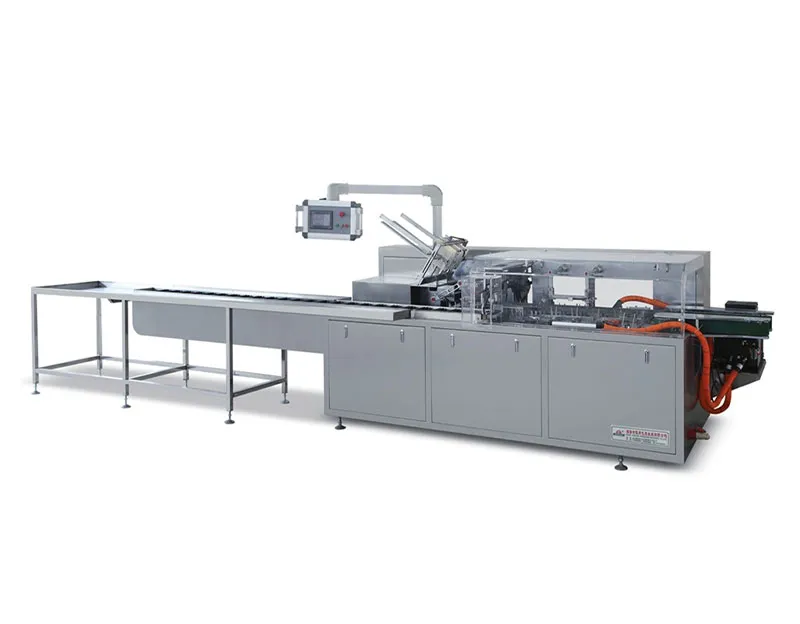
A modular cartoning line is built from interchangeable, self-contained functional units—each responsible for a specific task such as carton erecting, product feeding, leaflet insertion, or carton closing. Instead of a single monolithic machine where every adjustment affects every other station, a modular design allows you to adjust, replace, or upgrade individual modules independently.
This architecture matters for changeover time because:
Isolated adjustments: Changing a format on one module does not require recalibrating the entire line.
Interchangeable parts: Many components are shared across modules, reducing the number of unique spare parts and simplifying operator training.
Future-proofing: As your product mix evolves—for example, moving from bag packaging to bottle cartoning—you can add or swap modules rather than replacing the entire machine.
The time saved in a changeover comes from several specific design features that modular lines typically incorporate. Industry-reported data shows that traditional machines requiring tools can take 45–90 minutes for a full changeover, while modern tool-less designs can complete the same changeover in under 15 minutes.
| Changeover Activity | Traditional Machine | Modular Machine |
|---|---|---|
| Adjusting carton magazine | Manual repositioning of guides | Quick-release or tool-free adjustment |
| Changing product infeed | Mechanical reconfiguration of multiple stations | Swap or adjust a single module |
| Recalibrating sensors | Individual sensor repositioning | Recipe-driven automatic adjustments |
| Testing first few cartons | Manual inspection and tweaking | Digital recipe verification |
The key enablers of this reduction are:
1. Tool-free or reduced-tool changeovers. Instead of requiring wrenches, screwdrivers, and specialized tools, modular machines use quick-release mechanisms, color-coded guides, and plug-in connections. Some manufacturers report changeover time reductions of up to 70% with tool-less designs.
2. Recipe-driven digital adjustments. Modern modular lines store format recipes in the machine's HMI. When switching to a new product, operators select the recipe, and servo-driven axes automatically adjust to the correct positions. A machine that takes 40 minutes to switch formats may produce less over a week than a slightly slower machine that changes over in 15 minutes.
3. Standardized interfaces between modules. Because each module connects through standardized mechanical and control interfaces, swapping a module takes minutes rather than hours.
When evaluating a modular cartoning line, look for these specific features that directly impact changeover speed:
1. Servo-driven adjustments. Servo motors allow precise, repeatable positioning of guides, rails, and feeders. Instead of manually measuring and adjusting each component, operators select a recipe and the machine moves to the correct positions automatically. KAIXIANG's horizontal cartoning machines, for example, feature servo-motor control for accurate integration and robust construction for high-volume production.
2. Quick-change format parts. Format-specific components—such as carton magazines, product guides, and insertion fingers—should be designed for rapid replacement.
3. Pre-programmed format memory. A machine that stores dozens of format recipes dramatically reduces setup time. Operators do not need to remember adjustment positions or consult paper manuals.
4. Modular line integration. The ability to seamlessly combine the cartoner with existing filling, feeding, or inspection systems—such as integrating a master carton packer for secondary packaging—means you are not locked into a single configuration.
5. Hygienic, easy-to-clean design. In industries like food and pharmaceuticals, changeover includes cleaning between batches. Modular designs with smooth surfaces, minimal crevices, and accessible components reduce cleaning time significantly.
Scenario 1: High-mix, low-volume production
A contract packager runs 20 different SKUs across a single shift—perhaps stick packs of different sizes, or various bottle and tube products. Each batch is relatively small, but changeovers are frequent. With a traditional machine requiring 60-minute changeovers, the line spends more time in setup than in production. A modular line with fast changeovers transforms the economics—suddenly, small batches become profitable. For operations handling diverse bag-in-box formats, the single & multi bag into box solution offers the flexibility to accommodate varying bag counts and carton sizes with minimal downtime.
Scenario 2: Growing product portfolio
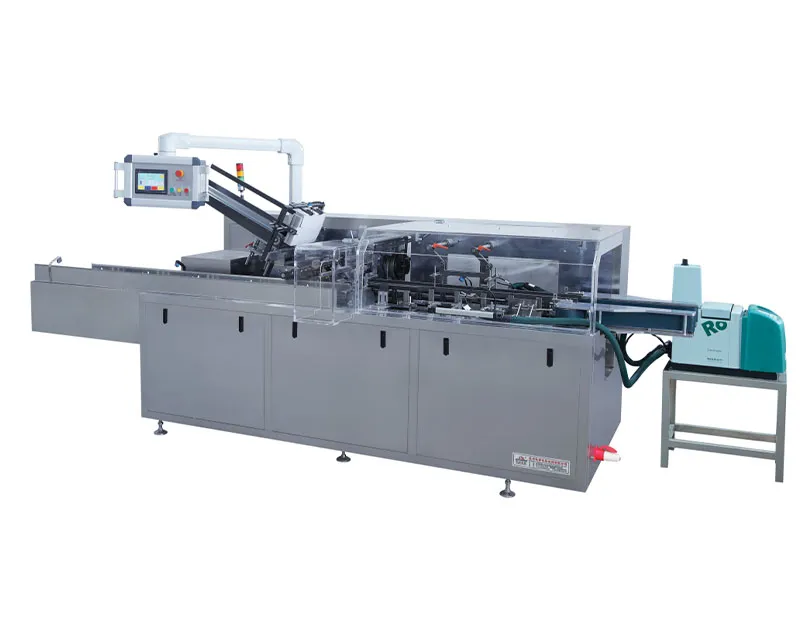
A food manufacturer currently packages three product lines but expects to add two more within 18 months. A traditional cartoner would require replacement or major retrofit to handle new formats. A modular line can accommodate new products by adding or swapping modules—no need to scrap the existing investment. KAIXIANG's product range spans horizontal, high-speed, and vertical cartoning machines, as well as master carton packing machines, providing a flexible foundation for portfolio expansion.
Scenario 3: Pharmaceutical with strict validation requirements
In pharmaceutical packaging, every changeover must be validated to ensure compliance. A modular line with recipe-driven adjustments and documented changeover procedures reduces the risk of errors during changeover. KAIXIANG's equipment is ISO9001 and CE certified, supporting the rigorous documentation and validation needs of pharmaceutical manufacturers. For complex pharmaceutical formats like blister packs, modular designs allow dedicated tooling for each blister configuration while maintaining rapid changeover between runs.For industry-specific packaging challenges—including food, beverage, daily use, and pharmaceutical applications—explore our food & beverage application page and pharmaceutical application page.
Once you have clarified these key decision factors—your changeover frequency, number of SKUs, required cleaning protocols, and growth projections—comparing the specific capabilities of available cartoning lines becomes the next logical step.
Key questions to ask when evaluating equipment:
What is the actual changeover time at your specific format range (not just the vendor's best-case claim)?
Are changeovers tool-free or tool-assisted? What tools are required?
How many format recipes can the machine store? How are they accessed?
Are format parts interchangeable across multiple machines in your facility?
What is the cleaning time between batches, and how does the modular design affect it?
You can review KAIXIANG's high-speed cartoning machine series for high-volume pharmaceutical and food applications, or explore configurations optimized for stick packs, bottles, tubes, and other formats. Each series is designed with specific changeover requirements in mind, backed by 15+ years of R&D experience, global sales to 60+ countries, and ISO9001 & CE certification.
Continuous-Motion vs Intermittent-Motion Cartoners: Speed, Stability, and Maintenance Trade-offs
How to Calculate Your True Throughput Requirement for Cartoning Lines
Horizontal vs Vertical Cartoning Machine: Which Configuration Fits Your Line?


GET A QUOTE