

 Sep 29
When buyers compare cartoning machines, the purchase price is only one part of the decision. A practical 5-year TCO model should include equipment, customization, installation, training, energy, labor, changeover, downtime, spare parts, maintenance, shipping, and compliance costs. ROI and payback should then be calculated from labor savings, throughput gains, reject reduction, and uptime improvement. The exact result depends on product type, line speed, shift pattern, carton format, and local operating costs.

TCO, or total cost of ownership, is the total cost of acquiring, installing, operating, maintaining, and supporting a packaging machine over its expected service life. For a cartoning line, TCO is not limited to the invoice price of the cartoner. It also includes the cost of integrating the machine into the existing line, training operators, maintaining spare parts, and managing changeovers between SKUs.
A 5-year TCO model is often used during capital budgeting because it gives a more realistic comparison between a standard cartoning machine, a high speed cartoning machine, and a semi-automatic or manual process. The model does not need to be perfect. It needs to be consistent, transparent, and based on confirmed assumptions.
The purchase price usually covers the base machine, standard tooling, and basic documentation. It may not include custom infeed, additional carton formats, leaflet insertion, coding, reject systems, overseas installation, operator training, spare parts packages, or local certification support. Buyers who compare only the machine price may underestimate the real cost of starting production.
TCO answers: “What will this line cost over time?” ROI answers: “What financial return will this investment generate?” Payback answers: “How long will it take to recover the initial investment?” These three calculations should be used together.
A machine with a higher purchase price may have a lower 5-year TCO if it reduces labor, changeover time, downtime, and waste. A lower-priced machine may become more expensive if it requires frequent manual adjustment or has limited spare parts support.
This includes the base cartoning machine, infeed system, carton magazine, product loading section, sealing unit, and any custom tooling. If the product is a bottle, tube, blister, pouch, stick pack, or tissue pack, the infeed and collation design may change significantly.
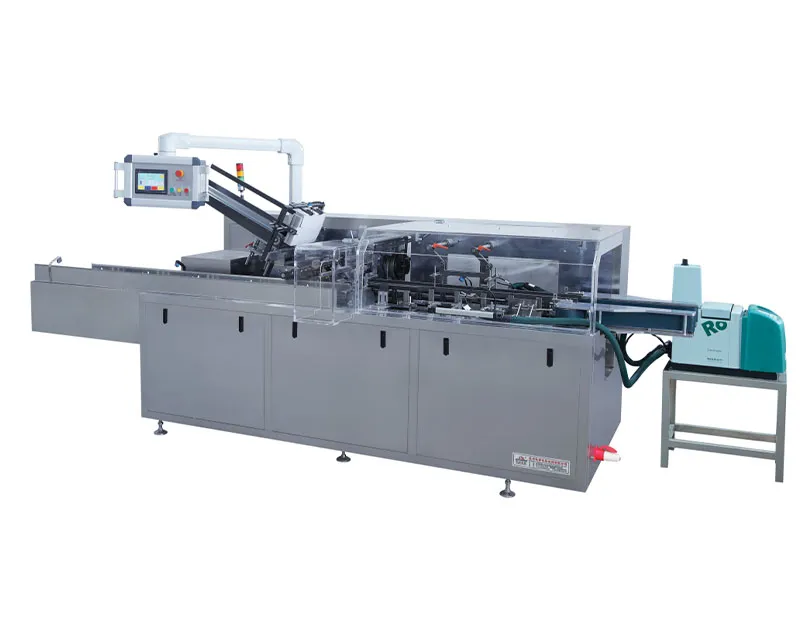
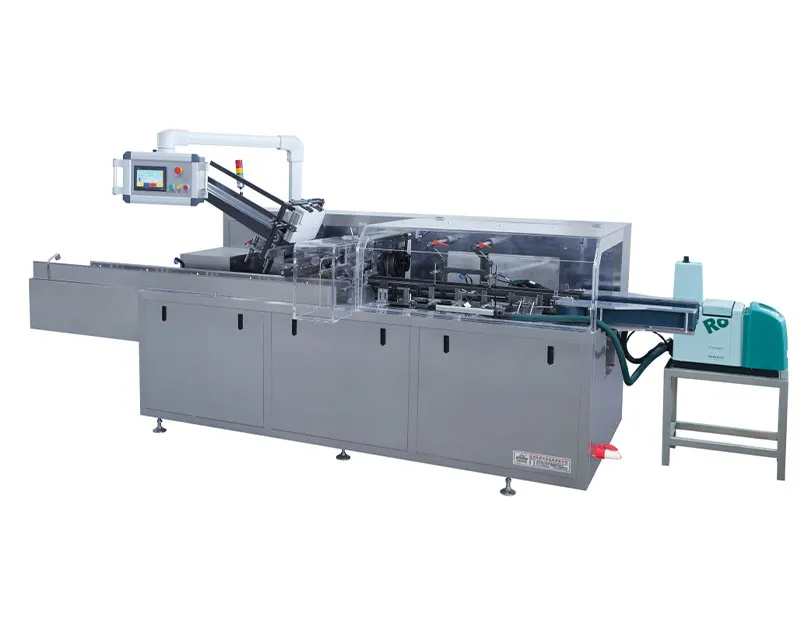
For example, a horizontal cartoning machine may be suitable for side-loading flat or semi-flat products, while a vertical cartoning machine may be considered for upright products. A high speed cartoning machine may be evaluated when the line requires higher output and more stable continuous operation. Buyers can review the available horizontal cartoning configurations and compare high speed cartoning options before finalizing the cost model.
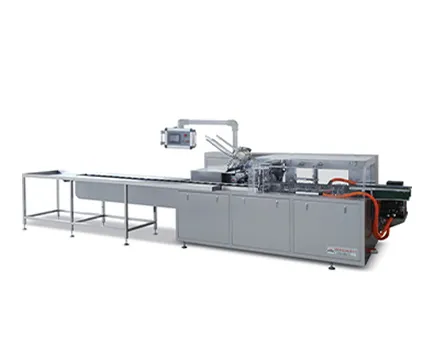
Installation cost includes mechanical assembly, electrical connection, compressed air supply, safety checks, trial production, and operator training. For overseas projects, it may also include travel, accommodation, local labor, and translation.
Commissioning is not only a technical task. It is also a risk-reduction step. A clear FAT and SAT plan can help confirm that the machine performs as expected before full production.
Energy cost depends on motor power, servo drives, vacuum pumps, compressed air consumption, heating systems, and local electricity rates. A high speed machine may have higher installed power but lower energy cost per carton if it runs efficiently and reduces idle time.
Buyers should ask for the installed power, normal running power, air consumption, and recommended operating pressure. These values should be confirmed for the specific configuration.
Labor cost includes direct operators, line supervisors, maintenance technicians, and quality inspectors. Automation can reduce manual loading, carton erection, sealing, and inspection tasks, but it still requires trained operators.
When calculating labor savings, buyers should consider the number of operators per shift, number of shifts per day, local wage and benefit cost, overtime cost, and training and turnover cost. A realistic model should not assume zero operators. It should compare the labor required before and after automation under the same production volume.
Changeover cost is the production loss caused by switching carton sizes, product formats, leaflet sizes, or coding information. Downtime cost includes mechanical stops, jams, material shortages, cleaning, and unplanned maintenance.
For multi-SKU production, changeover and downtime can become a major part of TCO. A modular cartoning line with quick-change format parts and accessible adjustment points may help reduce changeover time. Buyers can review related guidance on reducing changeover time with a modular cartoning line.
Spare parts and maintenance costs should include the recommended spare parts list, wear parts replacement cycle, lubrication and cleaning materials, preventive maintenance labor, remote support, and on-site service visits.
A clear spare parts plan can reduce the risk of long stops. Buyers should ask which parts are common wear parts, which parts are custom-made, and what the recommended stock level is. Service and spare parts planning should be reviewed before the machine is shipped.
Compliance cost may include CE, ISO 9001, GMP-related documentation, local electrical standards, safety validation, and factory acceptance documentation. Shipping cost includes packaging, wooden case, inland transport, ocean freight, insurance, customs clearance, and local delivery.
Import cost may include duty, tax, customs broker fees, and local inspection. These costs vary by country and should be confirmed with a freight forwarder or customs broker.
A simple 5-year TCO formula is:
TCO = CAPEX + OPEX + Downtime Cost + Changeover Cost + Compliance Cost
Where CAPEX includes equipment, customization, installation, and training. OPEX includes energy, labor, maintenance, spare parts, and consumables. Downtime cost is lost production hours multiplied by contribution margin per hour. Changeover cost is changeover hours multiplied by line contribution margin per hour. Compliance cost includes certification, documentation, testing, and import compliance.
| Cost Category | What to Include | Data Needed | 5-Year Total |
|---|---|---|---|
| Equipment | Base machine, tooling, infeed, options | Quotation, confirmed specification | |
| Customization | Carton formats, product handling, coding | Engineering confirmation | |
| Installation | Mechanical, electrical, air, safety | Site conditions, service plan | |
| Training | Operator, maintenance, changeover | Number of trainees, days | |
| Energy | Electricity, air, vacuum | Installed power, running hours, local rate | |
| Labor | Operators, supervisors, maintenance | Shift pattern, wage cost | |
| Changeover | Format change time, trial waste | SKU count, changeover frequency | |
| Downtime | Jams, stops, material shortage | OEE data or estimated downtime | |
| Maintenance | Preventive maintenance, wear parts | Service manual, parts list | |
| Spare Parts | Recommended stock, wear parts | Supplier recommendation | |
| Shipping | Packing, freight, insurance | Incoterms, route | |
| Compliance | CE, ISO, GMP, local standards | Target market requirements |
ROI compares the financial benefit of the investment with its cost. A simple formula is:
ROI = (Annual Net Savings / Initial Investment) × 100%
Annual net savings can come from labor reduction, throughput increase, reject reduction, changeover reduction, and downtime reduction. Each benefit should be estimated separately and then reviewed with the supplier.
Labor savings = (Operators before automation − Operators after automation) × Annual labor cost per operator. If the line runs multiple shifts, the calculation should be multiplied by the number of shifts. If the machine still requires one operator and one part-time helper, those costs should remain in the model.
Throughput gain = (New output − Old output) × Contribution margin per unit × Annual production hours. This is only valid if the extra output can be sold or used. If the market demand is limited, throughput gain may not create immediate financial benefit.
Reject reduction = (Old reject rate − New reject rate) × Annual production volume × Unit cost. Reject rate should be based on actual production data or a controlled trial. If no data is available, buyers should treat the estimate as an assumption and verify it during commissioning.
| Scenario | Main Benefit | Payback Logic | Risk |
|---|---|---|---|
| Single shift, low volume | Labor reduction | Initial investment/annual labor savings | Limited savings if volume is low |
| Multi-shift, stable volume | Labor + throughput | Initial investment/annual net savings | Depends on uptime and demand |
| Multi-SKU production | Changeover reduction | Initial investment/changeover savings | Requires quick-change design |
| High speed line | Throughput + labor | Initial investment/contribution margin gain | Requires stable infeed and material supply |
| Regulated pharma line | Compliance + quality | Initial investment/reject and labor savings | Validation and documentation cost |
The table below is a template. It does not contain specific prices because actual costs depend on configuration, country, and production conditions.
| Cost Item | Manual / Semi-Auto | Standard Cartoner | High Speed Cartoner |
|---|---|---|---|
| Equipment purchase | Lower | Medium | Higher |
| Customization | Low | Medium | Medium to high |
| Installation | Low | Medium | Medium |
| Labor | High | Medium | Lower per carton |
| Energy | Low | Medium | Medium to high |
| Changeover | High if many SKUs | Medium | Lower with quick-change design |
| Maintenance | Low | Medium | Medium |
| Downtime | High | Medium | Lower if well integrated |
| Spare parts | Low | Medium | Medium |
| Compliance | Depends on market | Depends on market | Depends on market |
| 5-year TCO | Often higher in labor | Balanced | Can be lower at high volume |
A high speed cartoning machine is more likely to pay back when the line runs multiple shifts, product demand is stable, manual labor cost is high, the existing line has a bottleneck at cartoning, changeover frequency is low or well controlled, and infeed and material supply are stable.
It may be less suitable when production volume is low, the product requires frequent manual adjustment, the factory has limited maintenance capability, the carton format changes very often, or the downstream case packing and palletizing cannot handle the higher output.
Buyers should compare the complete production line, not just the cartoner. A high-speed cartoner can become a new bottleneck if the infeed, case packer, or workflow cannot keep pace. You can explore our full cartoner product range to see how different machines integrate into a complete line.
There is no universal ROI figure. A reasonable target depends on the buyer’s cost of capital, labor cost, production volume, and payback expectation. Many projects are evaluated over 3 to 5 years, but the final decision should be based on the buyer’s financial policy.
Payback = Initial investment / Annual net savings. Annual net savings should include labor reduction, throughput gain, reject reduction, changeover reduction, and downtime reduction. If the savings are uncertain, use a conservative estimate.
A high speed cartoning machine can be worth it when the line runs multiple shifts, demand is stable, and the existing cartoning process is a bottleneck. It may not be worth it for low-volume or highly variable production.
Common hidden costs include air consumption, custom tooling, leaflet insertion, coding, reject systems, safety upgrades, overseas installation, training, spare parts, and compliance documentation.
Maintenance cost depends on machine design, running hours, product type, cleaning requirements, and local labor rates. A practical estimate should include preventive maintenance labor, wear parts, lubricants, and recommended spare parts.
TCO should be estimated before purchase and updated after installation. The pre-purchase model helps with supplier comparison. The post-installation model helps verify actual cost and improve future projects.
A 5-year TCO and ROI model helps buyers compare cartoning machines on lifetime cost, not only purchase price. The most important factors are labor, throughput, changeover, downtime, maintenance, energy, and compliance. Buyers should avoid using optimistic assumptions without testing, and should confirm technical details with the supplier before making a final decision.
If you are evaluating a new cartoning line, start by confirming the product, carton format, output target, and shift pattern. Then compare the available configurations, review service and spare parts support, and discuss the material and production requirements with the engineering team. A clear TCO model will make the final decision more transparent for both production and finance teams.
Sep 14,2026
Aug 31,2026 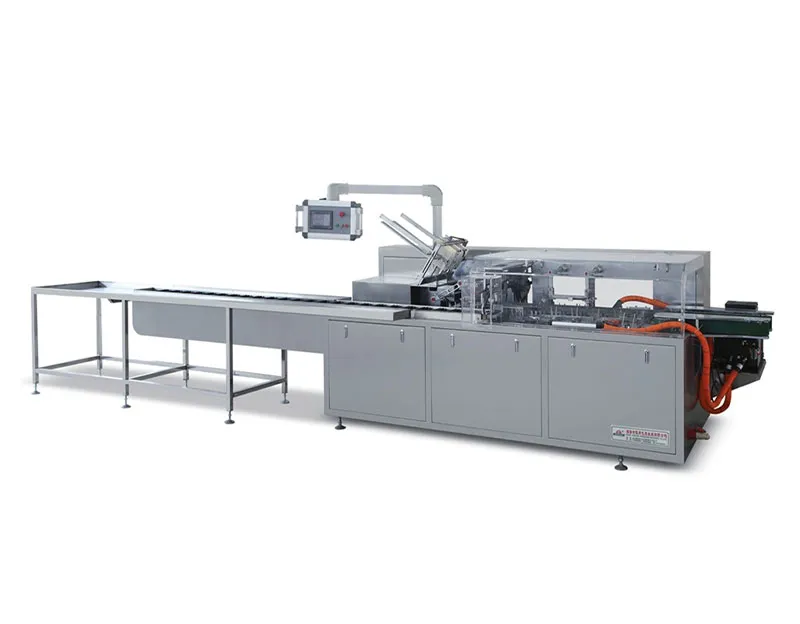
GET A QUOTE