

 Aug 26
Imagine this: your high-speed cartoning line is running at full capacity, but every few minutes, a folded leaflet jams the insertion station. The machine stops. Operators rush to clear the blockage, restart the line, and inspect the rejected cartons. Each stoppage costs minutes—and in a 24-hour production run, those minutes add up to hours of lost output.
Leaflet folding might seem like a minor step in the cartoning process. But in practice, leaflet handling is one of the most common causes of stoppages on a cartoner. Folding accuracy isn't just about aesthetics—it directly impacts your production efficiency, material waste, and regulatory compliance. This guide explains why folding accuracy matters, how it's measured, and what to consider when evaluating cartoning equipment.
Leaflet folding accuracy refers to the precision with which a cartoning machine folds a flat printed leaflet to a specified size and fold pattern, then inserts it into the carton alongside the product. In practice, this means:
The leaflet is folded to the correct dimensions within an acceptable tolerance range.
The fold lines are crisp and aligned, not skewed or wrinkled.
The folded leaflet is consistently placed into every carton.
1. Production efficiency. When a leaflet is mis-folded, it can jam the insertion mechanism, triggering machine stoppages. Each jam requires operator intervention—clearing the blockage, restarting the line, and often discarding partially processed cartons. Over a full shift, repeated jams can significantly reduce overall equipment effectiveness (OEE).
2. Material waste. Mis-folded or missing leaflets mean rejected cartons. Every rejected carton wastes not just the leaflet, but also the carton blank, the product inside, and the labor already invested in that unit. In high-volume production, these losses compound quickly.
3. Regulatory compliance. For pharmaceutical and nutraceutical products, the leaflet is not optional. A carton without its patient information leaflet—or with the wrong one—is a defective and potentially recall-triggering unit. Missing-leaflet detection paired with auto-rejection is recognized across the industry as "the compliance heart of the whole machine."
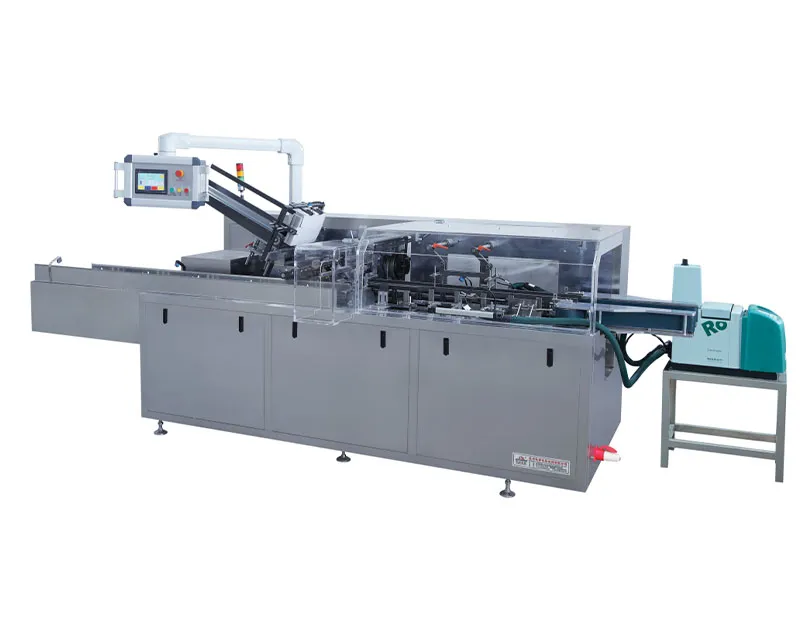
4. Brand reputation. In consumer-facing industries like food, beverage, and daily use, a poorly folded or missing leaflet creates a poor unboxing experience and can lead to customer complaints or returns. To see how different models address folding accuracy and overall performance, explore our cartoning machine series.
Folding accuracy is typically measured in tolerance ranges—the allowable deviation from the target folded dimensions. While there is no single universal standard across all industries, a tolerance of around ±0.5mm is widely adopted in practice as a practical benchmark for ensuring consistent insertion without jamming.
Different applications, however, may demand tighter or more flexible tolerances based on carton size, paper stiffness, and line speed:
| Application Type | Typical Tolerance Practice | Why It Matters |
|---|---|---|
| Standard pharmaceutical leaflets | Approx. ±0.5mm (common benchmark) | Ensures leaflet fits inside carton without jamming or protruding |
| High-precision / small-carton applications | Tighter than ±0.5mm | Required when leaflet must fit into a reserved interlayer or unusually tight space |
| General consumer goods | Approx. ±0.5mm | Prevents jams and ensures consistent insertion at moderate speeds |
| High-speed continuous lines | Tighter tolerance typically required | Higher speeds amplify any misalignment; precision becomes more critical |
Fold consistency: Every leaflet should be folded the same way, every time. Inconsistent folding (e.g., one leaflet folded loosely, another too tightly) creates variability that sensors may struggle to detect.
Crease quality: Clean, sharp creases ensure the leaflet stays folded during insertion. Wrinkled or weak creases can cause the leaflet to spring open inside the carton.
Registration: For leaflets with printed content that must align with folds (e.g., barcodes or reading marks), fold position must be precise within the specified tolerance.
Even with capable equipment, folding faults can occur. Understanding the common failure modes helps you diagnose issues quickly and specify the right machine features:
1. Static electricity and paper misalignment. Paper leaflets generate static charge during feeding and folding, causing sheets to stick together or misalign. This is especially problematic with lighter-weight paper or in low-humidity environments.
2. Double-feeding. When the leaflet feeder picks two sheets instead of one, the folding station receives a double-thickness sheet that jams or produces an oversized folded packet.
3. Mis-fold (skewed fold). If the leaflet enters the folding station at a slight angle, the fold line will be skewed. The resulting folded leaflet may be too wide to fit the carton or may protrude.
4. Missing leaflet. The feeder fails to pick a leaflet, and the machine continues the cycle—resulting in an empty carton that reaches the consumer unless detected and rejected.
5. Paper quality variance. Leaflet paper weight (typically 50–80g/m², as commonly specified by cartoning machine manufacturers) and dimensions must stay within specified ranges. If the paper is too thin, too thick, or dimensionally inconsistent, folding accuracy suffers.
For industry-specific packaging challenges, see our food & beverage packing application page or pharmaceutical packing application page.
When evaluating cartoning equipment or troubleshooting an existing line, consider these five critical factors:
Step 1: Specify leaflet parameters upfront. Before machine selection, lock down your leaflet specifications—paper weight, unfolded dimensions, folded dimensions, and fold pattern (1 to 4 folds). Changes to any of these parameters after the machine is built can affect folding accuracy.
Step 2: Look for anti-static and misalignment correction features. Machines with anti-static stainless steel feed tables, ion air blowers, and adjustable suction nozzles can mitigate static-related feeding issues.
Step 3: Prioritize sensor-based verification. A good cartoning machine doesn't just fold leaflets—it verifies that every fold is correct. Optical sensors confirm leaflet presence and fold quality before the carton is sealed. Photoelectric detection can monitor leaflet feeding, folding, and in-carton placement.
Step 4: Consider servo-driven folding. Servo-controlled folding stations offer greater precision and programmability than mechanical systems. They can store multiple fold patterns and adjust fold settings automatically. This is particularly valuable for applications requiring tighter tolerances or frequent product changeovers.
Step 5: Validate during Factory Acceptance Testing (FAT). Leaflet handling is a critical source of potential downtime, which is why it deserves its own dedicated evaluation during FAT. Run actual production leaflets through the machine at full speed to verify accuracy before the machine ships. Industry best practice also advises locking down leaflet specifications (size, paper weight, fold pattern, and language) prior to FAT to avoid last-minute adjustments that can compromise performance.
A manufacturer of targeted therapy tablets needs to fold a large-format instruction manual down to a compact size to fit inside a small bottle box. Multiple folds in a limited space risk wrinkling or misalignment. The solution requires a folding station capable of triple fold + double knife fold with automatic stacking to ensure clear creases and alignment. After optimization, production yield improved significantly, and the need for manual re-inspection dropped sharply.
Some pharmaceutical packaging requires the leaflet to fit precisely into a reserved interlayer inside the carton. In this application, the required fold placement is exceptionally tight, demanding full servo positioning combined with CCD vision detection to ensure consistent results. This level of control allows the machine to verify fold placement in real time and reject any deviations before cartons are sealed.
A food manufacturer running a high-speed cartoning line cannot afford frequent stoppages for leaflet jams. The machine must handle standard 60–70g/m² leaflets with consistent folding accuracy at line speed. Robust folding rollers (urethane and steel) running on precision bearings, combined with optical verification, ensure that every carton receives a correctly folded leaflet. To understand how different machine configurations handle these scenarios, read our guide on horizontal vs vertical cartoning machines.
Once you have clarified these key decision factors—your leaflet specifications, required tolerance, production speed, and industry compliance needs—comparing the specific capabilities of available cartoning machines becomes the next logical step.
Key questions to ask when evaluating equipment:
What is the machine's folding tolerance at full production speed?
Does the machine include anti-static and misalignment correction?
What sensors verify leaflet presence and fold quality?
Can the folding station store multiple fold patterns for different products?
How is folding accuracy validated during FAT?
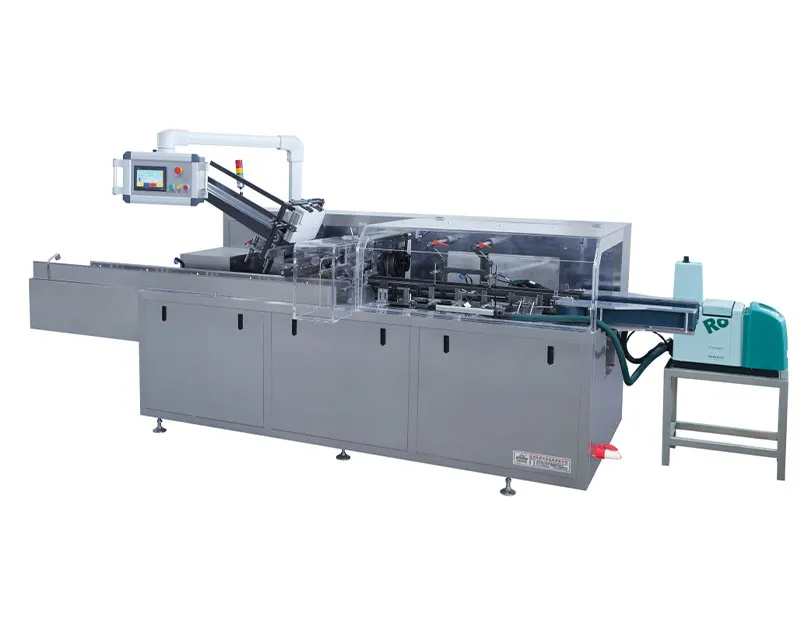
You can review KAIXIANG's cartoning machine series for high-volume pharmaceutical applications, or explore configurations optimized for food and daily-use packaging. Each series is designed with specific folding accuracy requirements in mind, backed by 15+ years of R&D experience and ISO9001 & CE certification.
Sep 14,2026 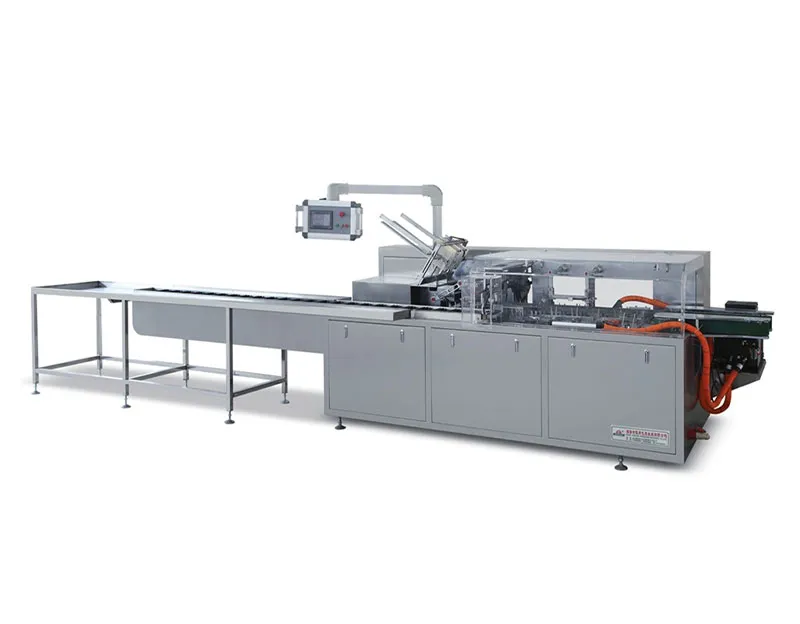

GET A QUOTE