

 Oct 10
Integrating a cartoning line involves more than connecting machines with conveyors. A successful project requires infeed design, collation, accumulation, cartoning, leaflet insertion, coding, reject control, case packing, and palletizing to work together. Commissioning should follow a clear sequence: mechanical installation, electrical and software setup, trial production, operator training, and acceptance. FAT and SAT checklists help confirm performance before full production. The exact scope depends on product type, line speed, factory layout, and local requirements.
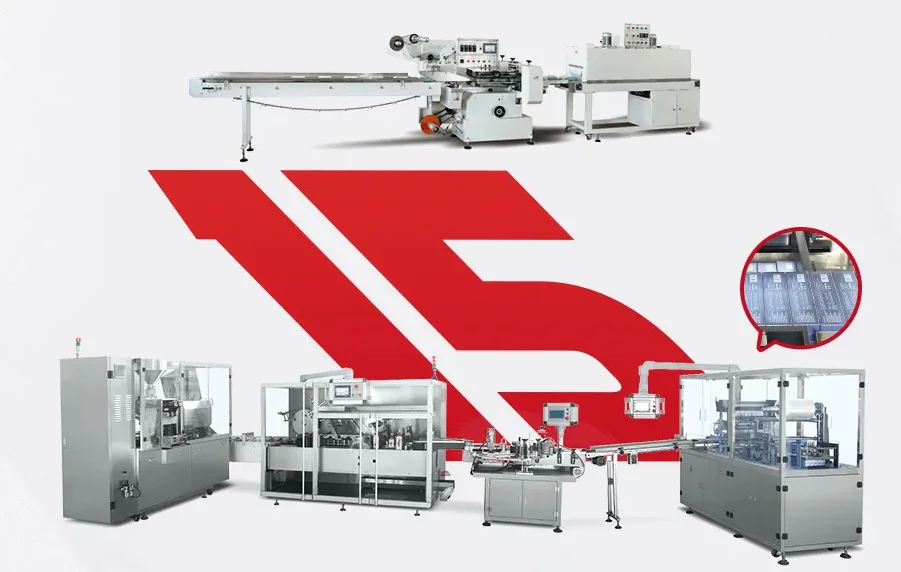
Packaging line integration is the process of connecting individual machines and systems into a coordinated production line. In a cartoning line, this typically includes primary packaging, product collation, carton feeding, product loading, leaflet insertion, sealing, coding, inspection, reject handling, case packing, and palletizing.
Integration is not only a mechanical task. It also involves control logic, communication protocols, safety interlocks, material flow, and operator interfaces. A well-integrated line runs at a stable speed, reduces manual intervention, and provides clear data for production and maintenance teams.
A single cartoning machine can be purchased and operated independently. This may be suitable for low-volume production, simple products, or when the upstream and downstream processes are manual.
An integrated line is more appropriate when production volume is high, multiple machines need to run at matched speeds, product quality and traceability requirements are strict, labor cost is high, changeover frequency is moderate, and the factory wants to reduce manual handling and human error.
Not every project needs a fully integrated line. Buyers should consider integration when the cartoner is part of a larger process, and the interfaces between machines affect overall performance. If the cartoner can run independently without creating bottlenecks, a standalone machine may be a practical starting point. Later, additional machines can be integrated as production grows.
A typical cartoning line includes the following stages. Not every line requires all stages, but each stage should be considered during planning.
This is where the product is first enclosed, such as a stick pack machine, blister machine, pouch machine, or bottle filling line. The output of primary packaging determines the infeed requirements for the cartoner.
Products are grouped, oriented, and fed into the cartoner. The infeed design depends on product shape, stability, and speed. Common options include belt infeed, starwheel infeed, lug chain infeed, and robotic pick-and-place.
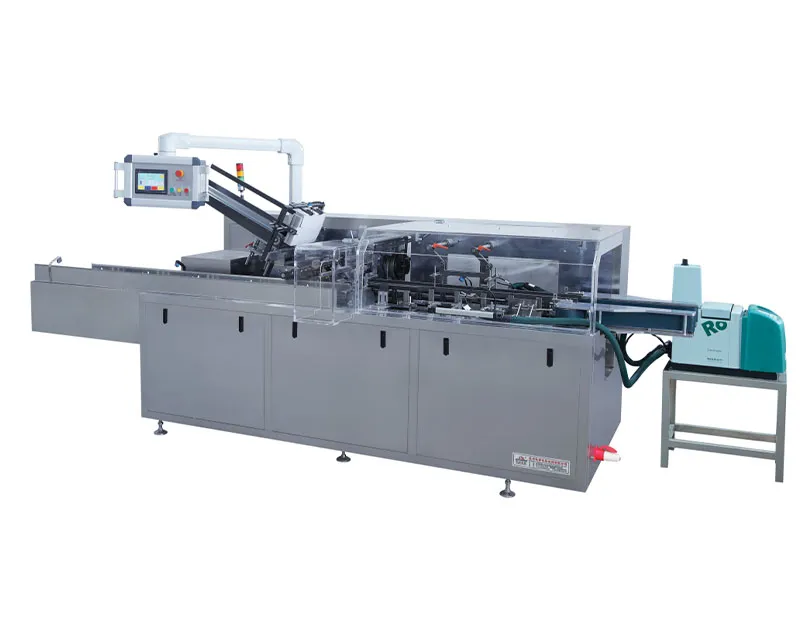
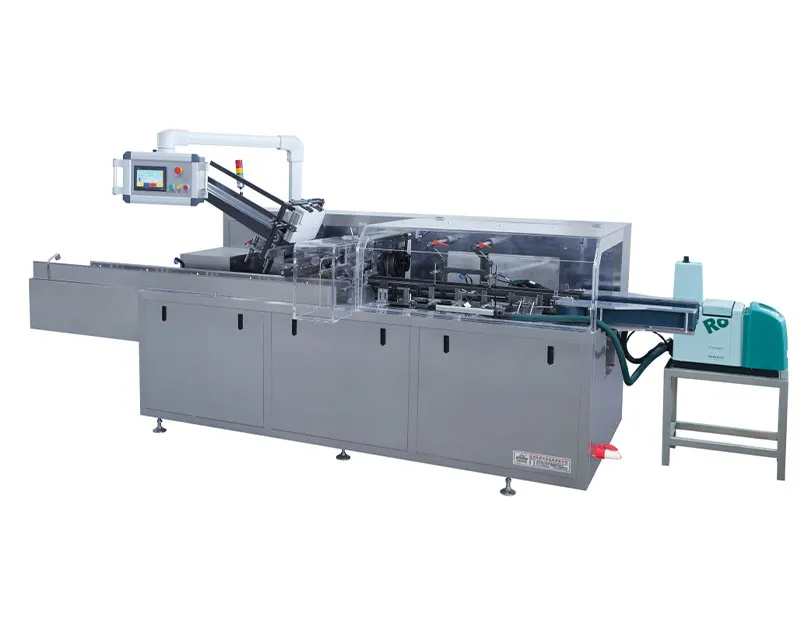
The cartoner erects the carton, loads the product, inserts leaflets if required, and seals the carton. Horizontal cartoning machines and vertical cartoning machines handle different product types and orientations.
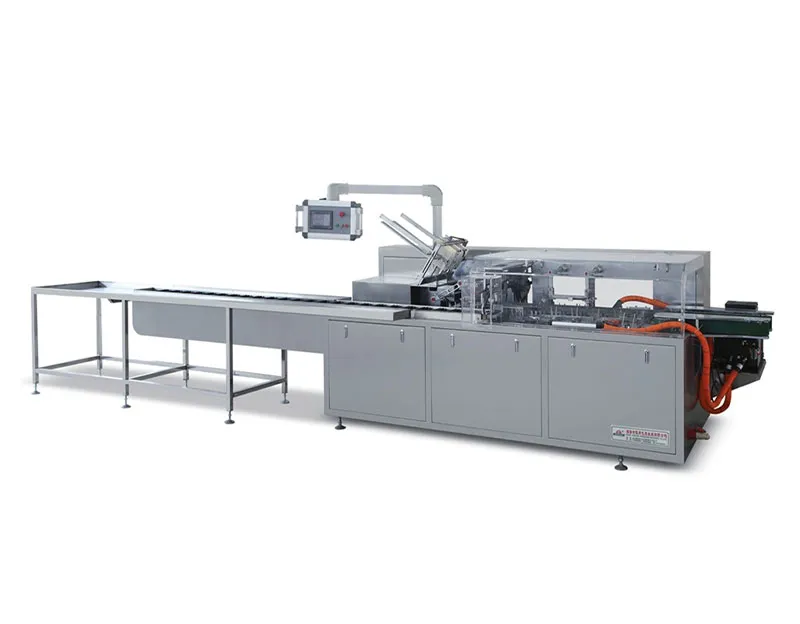
For pharmaceutical, food supplement, and some consumer goods, a leaflet folding and insertion unit is integrated. Leaflet size, folding pattern, and insertion timing must match the cartoner speed.
Coding includes batch numbers, expiry dates, barcodes, QR codes, or serial numbers. Coding can be done by inkjet, laser, or thermal transfer. The coding position and readability must be verified.
Reject systems remove cartons that fail inspection. Inspection may include weight check, vision inspection, missing leaflet detection, or barcode verification. Reject gates should be designed to avoid product damage and line stoppage.
Cartons are grouped and packed into shipping cases. This can be manual, semi-automatic, or automatic. The case packer machine speed must match the cartoner output.
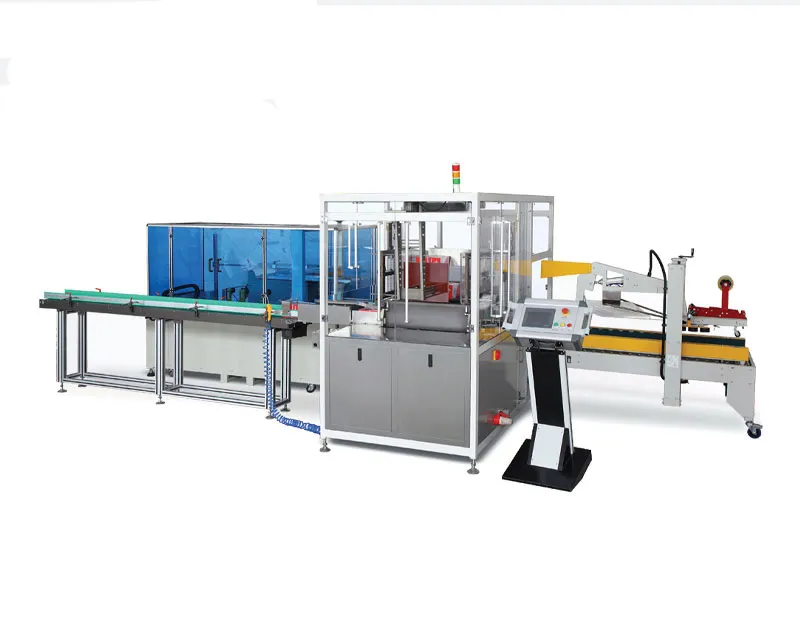
Finished cases are stacked on pallets. Palletizing can be manual or robotic. The pallet pattern and stacking stability should be planned.
The infeed is one of the most critical parts of line integration. If the infeed is not designed correctly, the cartoner may run below its rated speed, cause jams, or damage products.
| Infeed Type | Suitable For | Advantages | Limitations |
|---|---|---|---|
| Belt Infeed | Stable, flat products | Simple, low maintenance | Limited orientation control |
| Starwheel Infeed | Bottles, tubes, round containers | Gentle handling, precise spacing | Requires change parts for different diameters |
| Lug Chain Infeed | Cartons, pouches, stick packs | Positive control, good for collation | More complex, requires timing |
| Robotic Pick & Place | Irregular or fragile products | Flexible, programmable | Higher cost, requires programming |
Buyers should discuss the product and production requirements with the supplier to select the right infeed. For products that are difficult to handle, a custom infeed may be necessary.
Accumulation and buffering help smooth out speed differences between machines. If the primary packaging machine runs slightly faster or slower than the cartoner, a buffer can prevent immediate stoppage.
Common buffer types include zero-pressure accumulation conveyor, medium-pressure accumulation conveyor, buffer table, and alpine conveyor.
The buffer size can be estimated by:
Buffer time = (Speed difference) × (Recovery time needed)
For example, if the cartoner stops for 2 minutes and the upstream machine continues running, the buffer should hold at least 2 minutes of production. The exact calculation depends on line speed, product size, and available floor space.
For lightweight flexible pouches, accumulation can be challenging. A separate guide on accumulation conveyor selection for lightweight flexible pouches may be helpful.
A reject system prevents defective cartons from moving downstream. The design should consider what defect is being detected, how the defective carton is removed, how the reject is confirmed, how the line continues without interruption, and how rejected products are recorded.
Common inspection points include missing leaflet, incorrect weight, missing or unreadable code, damaged carton, and wrong product. Reject gates can be pneumatic pushers, air blow-off, or diverter arms. The choice depends on carton size, speed, and product fragility.
Coding is often required for traceability and regulatory compliance. Integration points include the position of the coding head, trigger sensor location, communication with the cartoner, verification system, and reject signal for unreadable codes.
Inkjet, laser, and thermal transfer printers have different maintenance and consumable requirements. The buyer should confirm the coding method, required resolution, and local regulations.
Factory Acceptance Test (FAT) is performed at the supplier’s factory before shipment. Site Acceptance Test (SAT) is performed at the buyer’s factory after installation.
FAT checklist:
SAT checklist:
Both FAT and SAT should be documented and signed by both parties.
A typical commissioning timeline for a cartoning line may follow this sequence. Actual duration depends on line complexity and site conditions.
| Phase | Typical Duration | Key Activities |
|---|---|---|
| Mechanical Installation | 1–2 weeks | Unpacking, positioning, leveling, conveyor connection |
| Electrical & Software | 1 week | Power connection, sensor setup, PLC communication |
| Trial Production | 1–2 weeks | Product testing, speed adjustment, changeover trials |
| Operator Training | 2–3 days | Operation, cleaning, changeover, basic maintenance |
| Acceptance & Handover | 2–3 days | SAT, documentation, sign-off |
Commissioning time depends on line complexity, site readiness, and product testing. A simple cartoning line may take 2–4 weeks, while a fully integrated line with case packing and palletizing may take 4–8 weeks or more.
FAT is performed at the supplier’s factory before shipment. SAT is performed at the buyer’s site after installation. Both should have agreed checklists and acceptance criteria.
Start by reviewing the existing line layout, speeds, and control systems. Confirm the infeed and outfeed interfaces, communication protocols, and safety interlocks. A trial run with actual products is recommended.
Buffer size depends on the speed difference between machines and the recovery time needed. A common approach is to hold at least 2–5 minutes of production, but this should be calculated for the specific line.
OEE = Availability × Performance × Quality. After integration, collect data on downtime, speed loss, and reject rate. Compare with the baseline before integration to measure improvement.
Packaging line integration and commissioning require careful planning from infeed design to final acceptance. The most important factors are product handling, speed matching, buffer sizing, reject control, coding, and clear FAT/SAT criteria. Buyers should avoid rushing the commissioning phase and should ensure operators are trained before handover.
If you are planning a new cartoning line or upgrading an existing one, start with a line audit and discuss the material and production requirements with our engineering team. We can help review Kaixiang's full cartoning machine product range, compare related models, and support the integration process from FAT to SAT.
Sep 14,2026 
GET A QUOTE