

 Apr 17
When choosing between horizontal cartoning equipment and vertical options, you’re not just picking a machine—you’re aligning your packaging line with your product’s shape, production volume, and floor space constraints. Vertical Cartoning Machine excels at handling long, upright items like nuts, artisanal chocolates, and cylindrical products, while horizontal models dominate for flat or irregularly shaped goods. Drawing on 15 years of packaging industry consulting, this guide cuts through marketing jargon to deliver data-driven answers that directly address your operational needs.
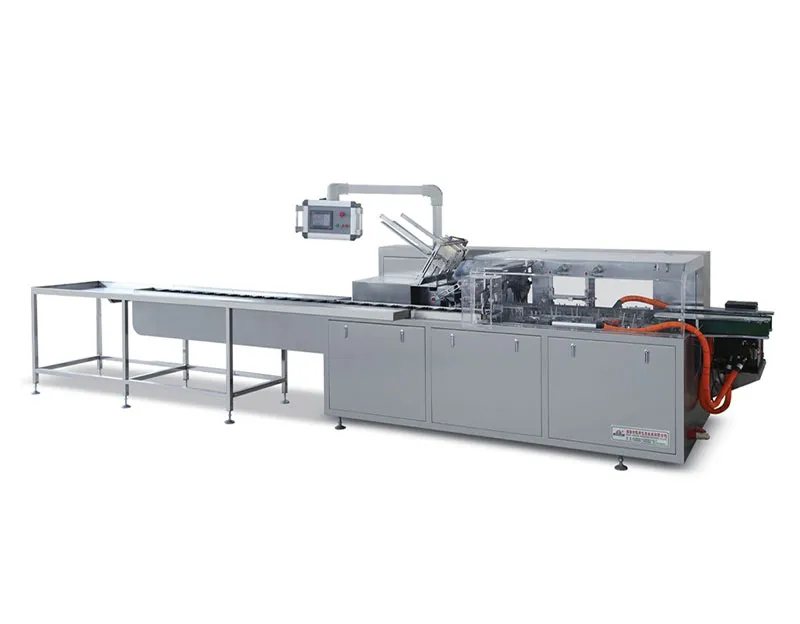
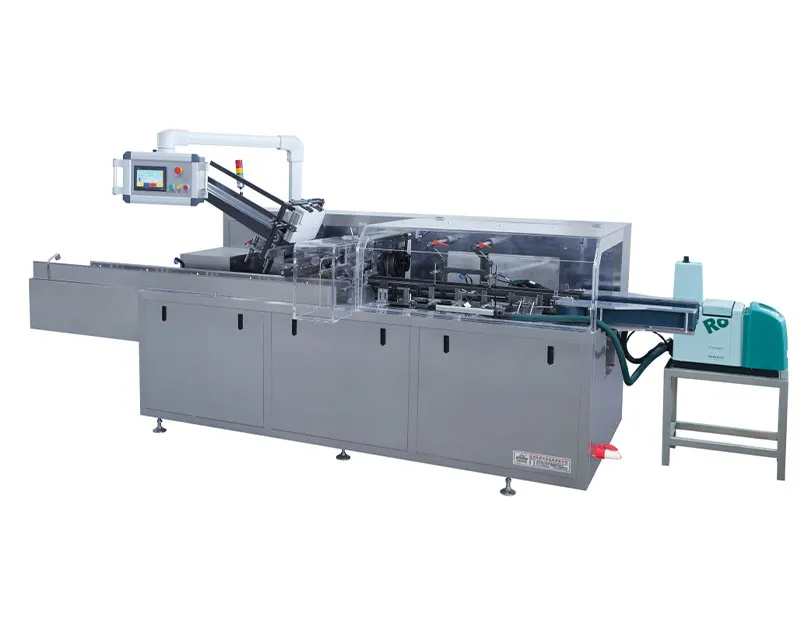
The fundamental difference lies in product handling logic. Horizontal cartoning machines feed products horizontally into pre-formed cartons, ideal for items that can’t stand upright without damage—think cookies, blister packs, or folded textiles. Vertical models, by contrast, drop upright products into cartons from above, leveraging gravity to streamline filling while maintaining product integrity.
This distinction ripples through every key metric: speed, space requirements, product compatibility, and labor needs. For example, a snack factory packaging granola bars (flat) will see 30% higher efficiency with a horizontal line, while a nut producer (upright products) will cut waste by half with a vertical system.
Industry benchmarks and Kaixiang’s real-world data reveal clear performance patterns:
A recent case study with a boutique confectionery showed that switching from a horizontal line to Kaixiang’s KXZ-260 reduced chocolate breakage from 8% to 1.2%, while maintaining the same daily output.
Horizontal Cartoning Excels For:
Vertical Cartoning Shines For:
Kaixiang’s vertical models support carton sizes from 60×20×20mm to 250×180×90mm, making them adaptable for both micro-batches (100 units/day) and mid-scale production (5,000 units/day). The KXZ-160’s multihead weigher ensures each carton hits exact weight targets—critical for food products where underfilling risks customer complaints and overfilling cuts margins.
Floor space is a hidden cost in packaging facilities, and here vertical machines deliver a game-changing advantage. Kaixiang’s vertical cartoning systems have a compact footprint—up to 60% smaller than comparable horizontal lines—thanks to their vertical integration of carton forming, filling, weighing, and sealing.
For a downtown snack factory with limited square footage, this means fitting a complete packaging line into a 3×4m space, leaving room for storage or additional production stations. Horizontal lines, by contrast, require linear space for feeding conveyors and carton transfer, often needing 8–10m of length.
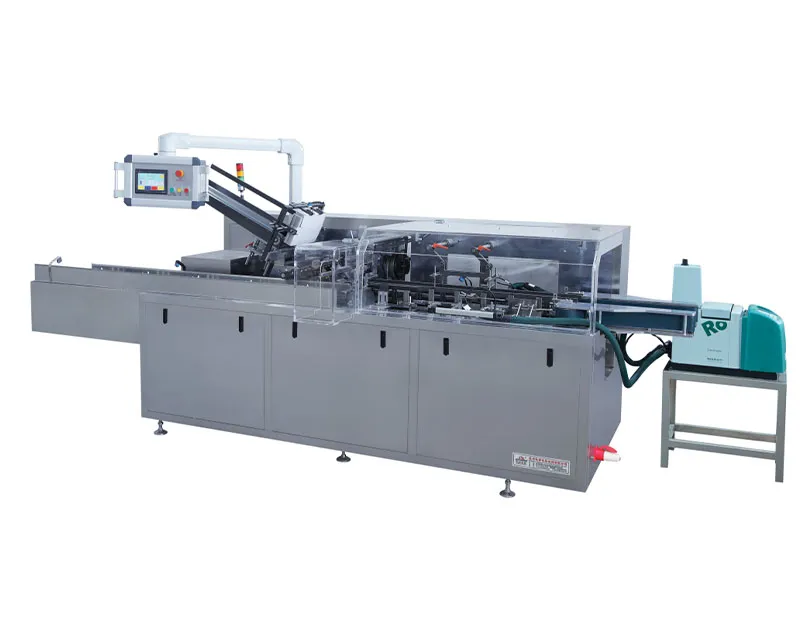
A ROI analysis for a nut producer showed that Kaixiang’s KXZ-160 delivered a 22% return on investment within 14 months, driven by reduced labor, lower product waste, and faster changeover times between nut varieties.
What sets Kaixiang apart is its focus on solving real-world pain points for small to mid-scale manufacturers. Their vertical cartoning systems integrate:
When compared to generic vertical machines, Kaixiang’s models offer 30% faster changeover times and 15% lower energy consumption, thanks to their precision-engineered servo systems. Unlike basic horizontal lines, they eliminate the need for separate weighers or quality control stations, reducing complexity and points of failure.
Kaixiang’s vertical cartoning systems bridge the gap between small-batch agility and industrial efficiency, making them ideal for artisanal food brands, specialty manufacturers, and growing businesses that refuse to compromise on quality or cost.
Sep 14,2026 
GET A QUOTE