
 Oct 16
Sourcing packaging machinery from China can offer cost and customization advantages, but it requires a structured approach. Buyers should audit the factory, verify CE or ISO certificates, confirm Incoterms, arrange pre-shipment inspection, plan shipping and customs clearance, and define installation, training, spare parts, and after-sales SLA in the contract. The exact process depends on the machine type, destination country, and project scope.
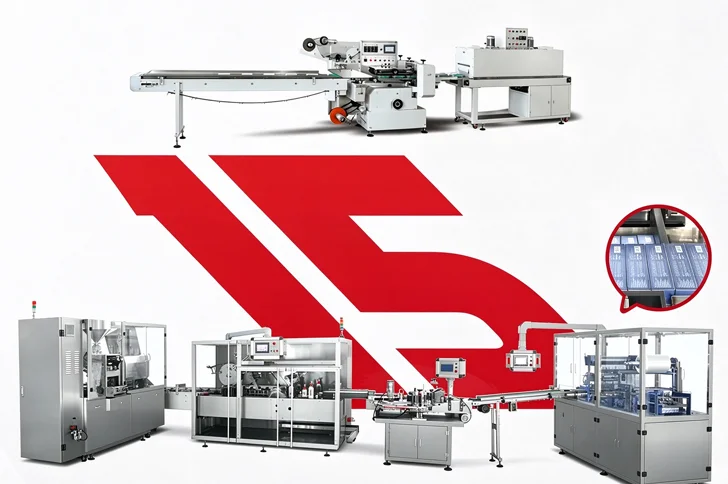
China has a mature packaging machinery supply chain, with many manufacturers offering standard and customized equipment. For international buyers, the main reasons to consider Chinese suppliers include cost advantage, customization capability, lead time, and export experience.
Chinese manufacturers often provide competitive pricing compared to suppliers in Europe or North America. However, the lowest price may not always mean the best total cost of ownership. Buyers should compare the full scope, including options, installation, training, spare parts, and after-sales support.
Many Chinese suppliers can adapt machines to specific product sizes, carton formats, and production requirements. This is particularly useful for products that are difficult to handle, such as irregularly shaped items, flexible pouches, or bottles.
Lead time varies by machine type and customization level. Standard machines may be available in a few weeks, while fully customized lines may take several months. Buyers should confirm the production schedule and delivery date in the contract.
Suppliers with export experience are more familiar with international shipping, documentation, and compliance requirements. Buyers can ask for references or evidence of previous export projects, but should verify the information independently.
A factory audit helps buyers assess the supplier’s capability, quality control, and reliability. The audit can be done on-site or via video call.
Ask for a copy of the business license and export license. Verify the company name, registered address, and business scope. The name on the contract and invoice should match the license.
Review the factory size, production equipment, assembly area, and testing facilities. A well-equipped factory is more likely to maintain consistent quality and meet delivery schedules.
Ask about the engineering team size, experience, and design tools. For customized projects, the engineering capability is critical. Buyers can request drawings, 3D models, or samples of similar projects.
Understand the quality control process from incoming materials to final testing. Ask for inspection records, test reports, and calibration certificates. A clear QC process reduces the risk of receiving a machine that does not meet specifications.
Ask for references from similar projects or markets. Buyers should contact references directly if possible, or request case studies and photos.
Certifications help demonstrate that the machine meets certain standards. However, buyers should verify the certificates and confirm they apply to the specific machine.
CE marking is required for machines sold in the European Economic Area. It indicates conformity with applicable EU directives, such as the Machinery Directive. Buyers should ask for the CE certificate and the Declaration of Conformity.
ISO 9001 is a quality management system certification. It shows that the supplier has a documented quality process. Kaixiang states that it has obtained an ISO 9001 quality system certificate. You can learn more on the About Kaixiang page.
For pharmaceutical and some food applications, GMP (Good Manufacturing Practice) requirements may apply. GMP is not a single certificate; it is a set of standards covering design, materials, cleaning, and documentation. Buyers should confirm the specific GMP requirements for their market.
For North America, UL or CSA certification may be required for electrical components. Other countries may have their own standards. Buyers should confirm the local requirements before ordering.
Incoterms define the responsibilities of the buyer and seller for delivery, risk, and cost. The choice affects the total landed cost and the buyer’s risk exposure.
For buyers new to importing, CIF or DAP may be easier because the seller handles more of the logistics. However, FOB often gives the buyer more control over freight costs and insurance. The best choice depends on the buyer’s experience and resources.
Risk transfers at different points depending on the Incoterm. Buyers should understand when risk transfers and arrange insurance accordingly. For high-value machines, comprehensive insurance is recommended.
Shipping a cartoning machine requires careful planning to prevent damage and delays.
FCL (Full Container Load) is suitable for large machines or multiple units. LCL (Less than Container Load) may be used for smaller machines, but consolidation can increase handling risk. Buyers should compare cost, transit time, and risk.
The machine should be properly blocked and braced inside the container. Buyers can request loading photos or a loading report. If the machine is too large for a standard container, flat rack or open-top containers may be used.
Machines are often shipped in wooden cases with moisture barriers and desiccants. Buyers should confirm the packaging standard and whether fumigation is required for wooden packaging.
Common documents include commercial invoice, packing list, bill of lading, certificate of origin, and insurance certificate. The supplier should provide these documents on time to avoid customs delays.
Import duty and customs clearance vary by country. Buyers should work with a customs broker to understand the requirements.
Cartoning machines are typically classified under HS Chapter 84, but the exact code depends on the machine function. Buyers should confirm the HS code with a customs broker to ensure correct duty and compliance.
The commercial invoice should show the machine description, quantity, unit price, total value, and Incoterm. The packing list should show packages, weights, dimensions, and contents.
A certificate of origin may be required to claim preferential duty rates under trade agreements. The supplier should provide the correct certificate if applicable.
After the machine arrives, installation and commissioning are critical. A clear after-sales SLA helps avoid disputes.
Remote support can be provided via video call, photos, and real-time communication. For complex lines, on-site installation by the supplier’s technician may be necessary. The buyer usually covers travel and accommodation costs for on-site service.
Training should cover operation, changeover, cleaning, basic maintenance, and troubleshooting. The number of training days and participants should be agreed in advance.
A recommended spare parts list should be provided with the shipment. Common wear parts and critical components should be stocked locally if possible.
Kaixiang provides a 1-year warranty and lifetime service, with a stated 72-hour global response. You can review the service and support page for more details. Buyers should confirm the warranty scope, response time, and escalation process in the contract.
Payment terms should balance the buyer’s risk and the supplier’s cash flow needs.
A typical arrangement is a 30% deposit and 70% balance before shipment. Buyers may negotiate different terms based on the project and relationship.
A pre-shipment inspection by a third party can verify the machine’s condition, functions, and compliance with specifications. This is especially recommended for high-value orders.
| Criteria | Weight | Supplier A | Supplier B | Kaixiang |
|---|---|---|---|---|
| Certifications | 15% | |||
| Factory Audit | 15% | |||
| Customization | 15% | |||
| After-Sales | 20% | |||
| Price | 15% | |||
| Lead Time | 10% | |||
| Export Experience | 10% |
Buyers can adjust the weights based on their priorities.
Start by identifying a supplier, auditing the factory, confirming specifications and Incoterms, arranging pre-shipment inspection, and working with a customs broker for clearance. The supplier should provide all necessary shipping and customs documents.
CE and ISO 9001 are common. For pharmaceutical applications, GMP compliance may be required. Buyers should verify the certificates and confirm they apply to the specific machine.
FOB and CIF are commonly used. FOB gives the buyer more control over freight, while CIF is simpler for buyers new to importing. DAP can be used if the supplier offers door delivery.
Ocean freight transit time varies by destination and route. It can range from a few weeks to over a month. Buyers should confirm the schedule with the freight forwarder.
After-sales service may include remote support, on-site visits, spare parts supply, and warranty coverage. The terms should be defined in the contract, including response time and costs.
30% deposit and 70% balance before shipment is common. L/C and Trade Assurance are alternatives. Buyers should negotiate terms that balance risk and cash flow.
Sourcing packaging machinery from China can be a practical option for buyers seeking cost and customization advantages. The most important steps are factory audit, certification verification, Incoterms selection, shipping and customs planning, and clear after-sales terms. Buyers should avoid rushing the process and should confirm all technical and commercial details before signing the contract.
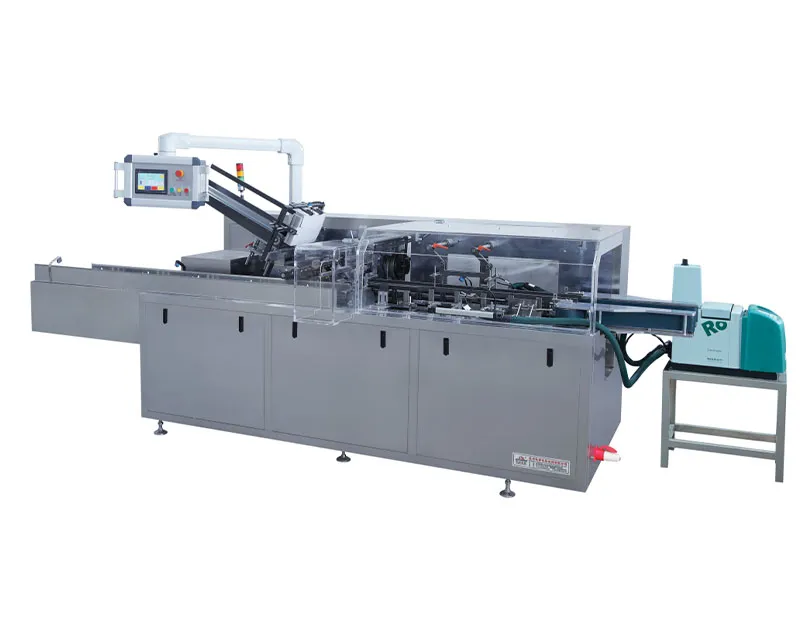
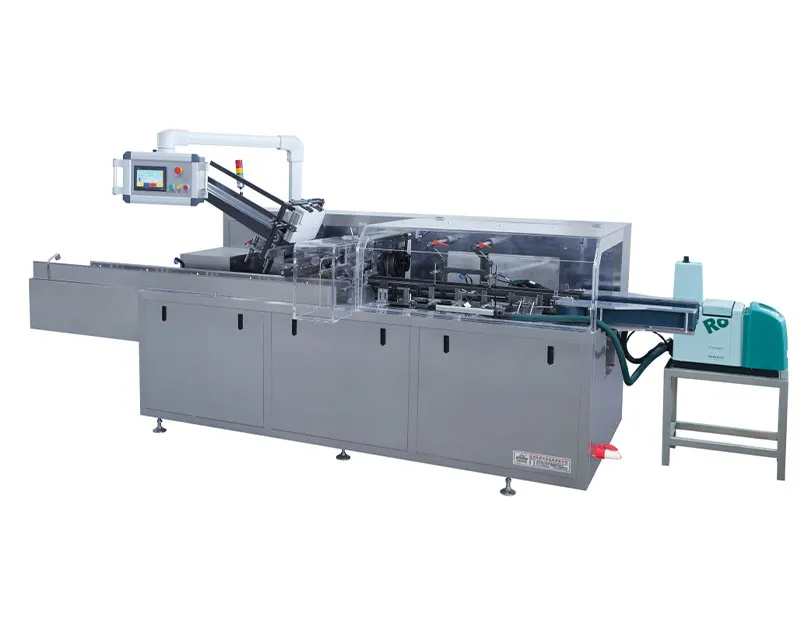
If you are evaluating a Chinese packaging machinery supplier, start with a factory audit and discuss the material and production requirements with our engineering team. We can provide the necessary documentation, arrange a factory video tour, and support your project from quotation to installation. You can also review our horizontal cartoning machine and high-speed cartoning machine configurations, or explore the full packaging machinery product range.
Sep 14,2026 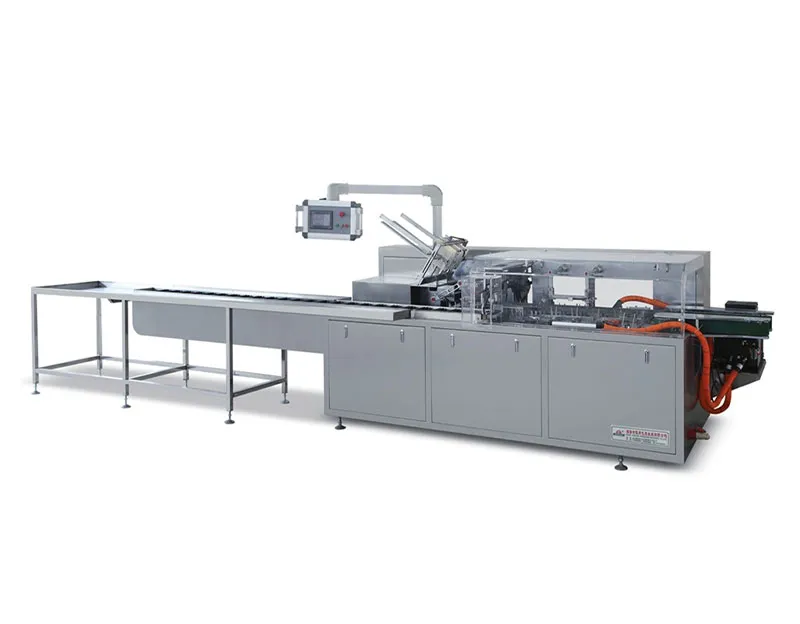
GET A QUOTE