

 Jun 18
Our cartoning line runs efficiently, producing sealed and coded cartons at a steady pace. But at the end of the line, those cartons still need to be grouped into shipping cases—a process that, if done manually, consumes labor, introduces ergonomic risks, and can become a throughput bottleneck.
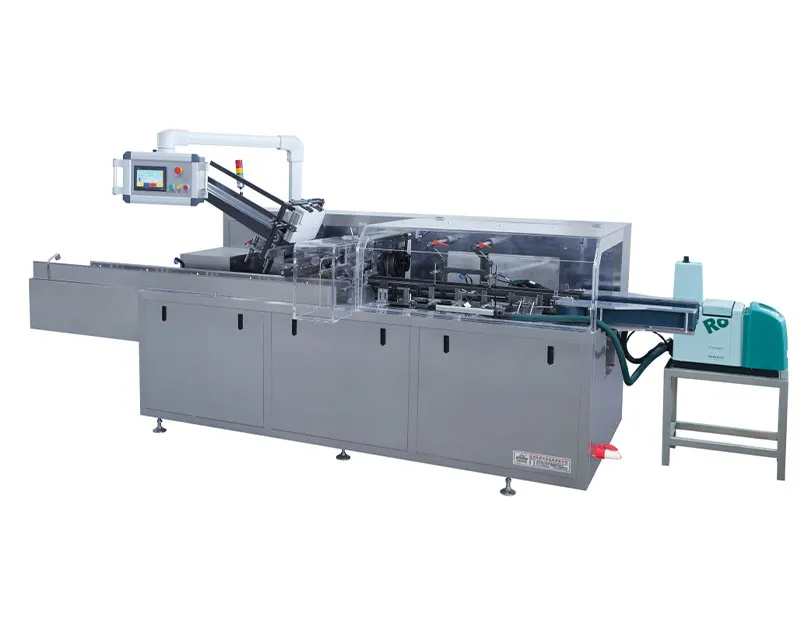
Master carton packing machines automate this final step: they take individual product cartons from your cartoner, group them according to your desired case pattern, erect a master carton, load the grouped cartons inside, and seal the case—all in a continuous operation.
This guide introduces two master carton packing solutions—the KXZ-400 and the KXZ-600—and provides a framework for selecting the right one based on your case volume, carton size range, and sealing requirements.
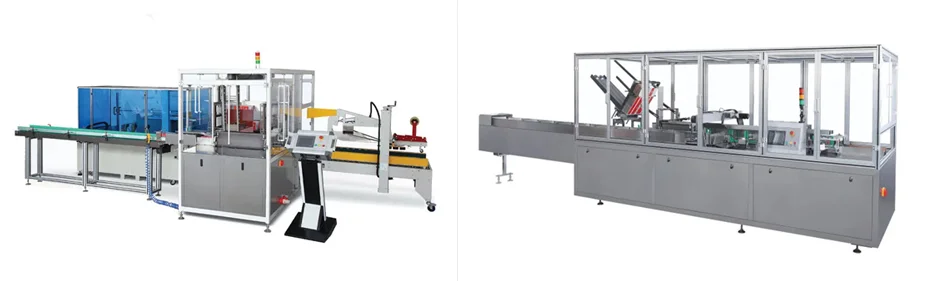
A master carton packing machine—also referred to as a case packer or secondary carton packer—is the bridge between primary cartoning and shipping logistics. It automatically completes three core processes:
Product grouping: Individual cartons are collated into the required pattern (e.g., 3 × 4, 2 × 6) based on your case configuration
Boxing: A master carton is erected and positioned for loading
Sealing: The filled case is sealed with tape or glue, ready for palletizing and shipment
For food and supplement producers, the value of automating this step extends beyond labor savings. According to a 2025 PMMI report, end-of-line automation investments, including case packing, can deliver ROI within 12 to 24 months. In sectors such as food processing, automatic case packing also minimizes human contact with packaged products, reducing contamination risks and facilitating compliance with sanitary regulations.
To understand how master carton packing integrates with upstream cartoning equipment, you can review the cartoning platforms designed for primary packaging.
View our Automated Cartoning Machine Product Series
KAIXIANG offers two master carton packing models, each designed for different production scales and sealing preferences.
The KXZ-400 is a reliable solution for secure packaging. It precisely constructs master cartons and applies strong glue seals, ensuring products are well-protected during transit.
| Specification | KXZ-400 |
|---|---|
| Encasing speed | 16-20 boxes per minute |
| Box quality requirement | 250-450g/m² |
| Compressed air consumption | 20m³/h |
| Sealing method | Glue seal |
| Best for | Operations requiring strong, permanent case seals for long-distance or rough-handling shipments |
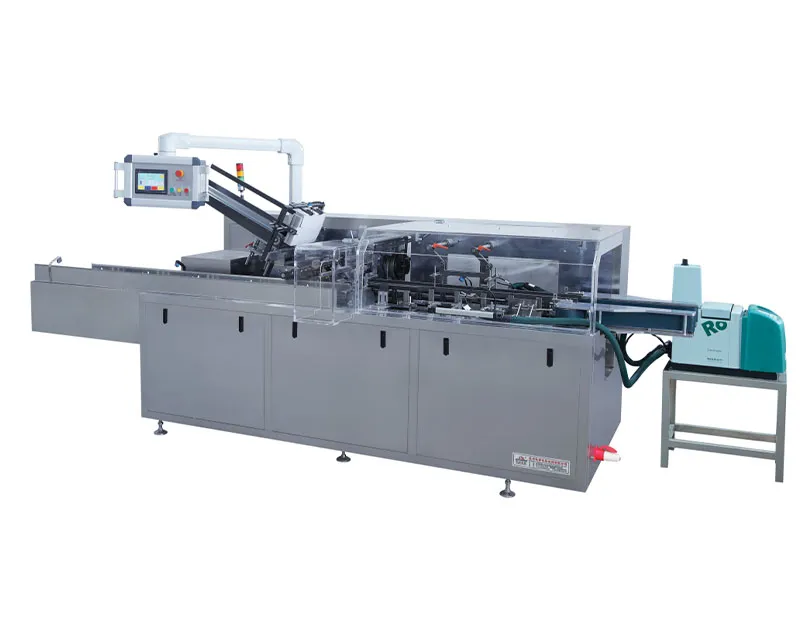
The KXZ-600 is a powerhouse for large-scale packaging. It swiftly constructs and fills master cartons, ensuring high-speed, accurate, and reliable packaging to streamline operations.
| Specification | KXZ-600 |
|---|---|
| Carton width | 150-500mm |
| Carton height | 150-575mm |
| Carton length | 500-600mm |
| Sealing method | Not specified on page (consult supplier for tape/glue options) |
| Best for | High-volume operations requiring flexible handling of varying case sizes |
For detailed technical specifications and dimensional drawings, you can review the individual product pages for each master carton packing model.
View the KXZ-400 Master Carton Packaging Machine With Glue Seal or the KXZ-600 Master Carton Packaging Machine
The right choice depends on three primary factors: your required output speed, your case size range, and your sealing preference.
| Decision Factor | Choose KXZ-400 If... | Choose KXZ-600 If... |
|---|---|---|
| Required speed | 16-20 boxes per minute is sufficient for your volume | You need higher throughput or future capacity headroom |
| Case size flexibility | Your case sizes fall within a narrower, predictable range | You handle a wide variety of case dimensions (width 150-500mm, height 150-575mm) |
| Sealing method | Glue sealing is preferred or required for your shipping environment | Tape sealing or other methods may be acceptable; consult supplier for options |
| Production scale | Medium-volume operations | Large-scale, high-volume operations |
If your priority is secure, permanent case sealing for products that travel long distances or undergo rough handling, the KXZ-400 with glue seal is the appropriate choice.
If your priority is handling a wide variety of case sizes across multiple SKUs, the KXZ-600 offers broader dimensional flexibility.
If your line requires speeds above 20 boxes per minute, the KXZ-400 may be insufficient; consider the KXZ-600 or consult the supplier for higher-speed options.
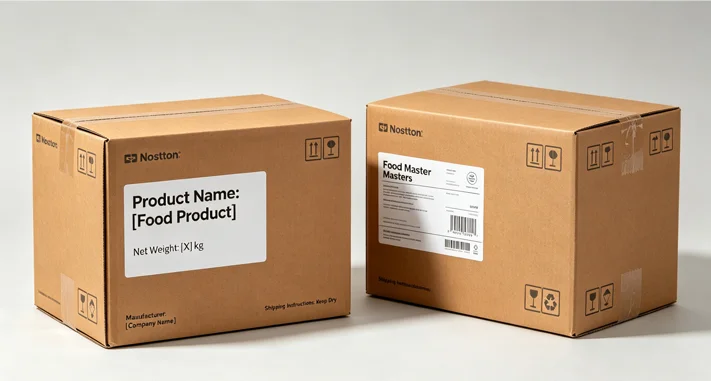
Profile:
15-20 supplement SKUs with varying carton sizes
Moderate production volume
Cases ship to retail and e-commerce channels
Strong case seals required for product protection
Recommended solution: KXZ-400 with glue seal
Rationale: The glue seal provides a permanent, tamper-evident case closure suitable for supplement products that require maximum protection during transit. The 16-20 boxes per minute speed is adequate for moderate-volume operations.
Profile:
Large-format food cartons (e.g., cereal boxes, snack multipacks)
High-volume, continuous production
Wide variation in case sizes across product lines
Recommended solution: KXZ-600
Rationale: The KXZ-600 accommodates carton widths from 150-500mm and heights from 150-575mm, providing the flexibility to handle diverse product formats. Its high-speed, reliable packaging capability is designed for large-scale operations requiring consistent throughput.
For food and beverage producers evaluating end-of-line packaging solutions, you can explore application-specific considerations for different product categories.
View Packaging Solutions for Food & Beverage and Daily Use Product Applications
You now have a framework based on speed requirements, case size range, and sealing preferences. The next step is documenting your specific needs before finalizing equipment selection.
Prepare a specification document that includes:
Required output speed (boxes per minute)
Case dimensions (minimum and maximum width, height, length)
Sealing method preference (glue, tape, or both)
Annual case volume (current and projected)
SKU count and case pattern variations
Integration requirements with upstream cartoning equipment
With this document, you can confirm which KAIXIANG master carton packing model aligns with your production requirements.
If this master carton packing selection guide was useful, the following articles will help you complete your end-of-line packaging planning:
Case Erection Systems: Manual, Semi-Automatic, and Fully Automatic Options Compared
Glue Seal vs Tape Seal: Which Case Closure Method Fits Your Supply Chain?
Integrating Master Carton Packers with Cartoners: Speed Matching and Accumulation Strategies
End-of-Line Automation ROI Calculator
Palletizing After Case Packing: Manual, Semi-Automatic, and Robotic Options
Sep 14,2026
Aug 31,2026
Aug 26,2026 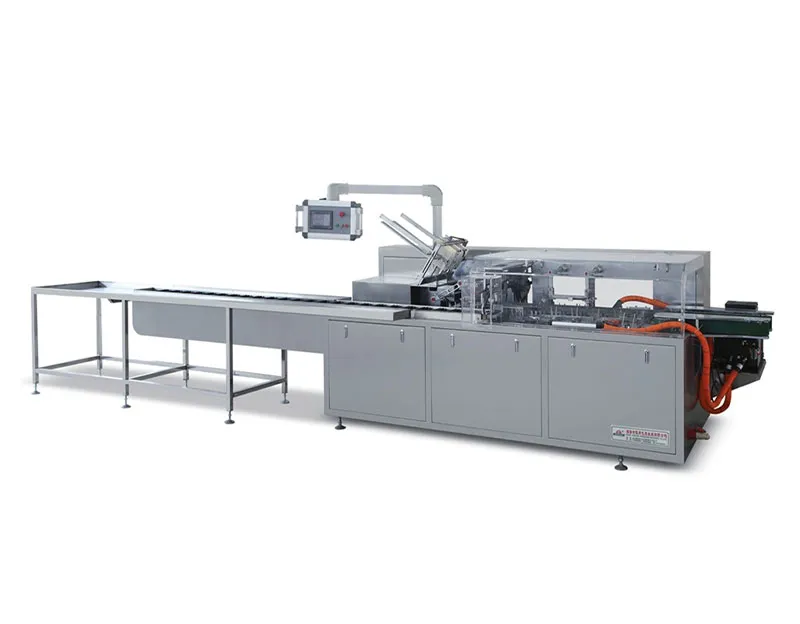
GET A QUOTE