

 Jun 25
Your master carton packing machine is selected, the line is configured, and production is ready to scale. But one critical decision remains: how will your shipping cases be sealed? The choice between glue and tape might seem minor compared to selecting the cartoner itself, yet it affects everything from material costs and maintenance schedules to product protection during transit and even tamper-evidence in regulated industries.
Case sealing—the process of closing and securing a carton—is what ensures your products survive the journey from factory floor to customer doorstep. The two most common methods for case and carton sealing are hot melt adhesive (glue) and adhesive tape. Each offers distinct advantages and trade-offs.
This guide compares glue seal and tape seal across cost, strength, maintenance, and application fit—so you can choose the closure method that best protects your products and optimizes your packaging operation.
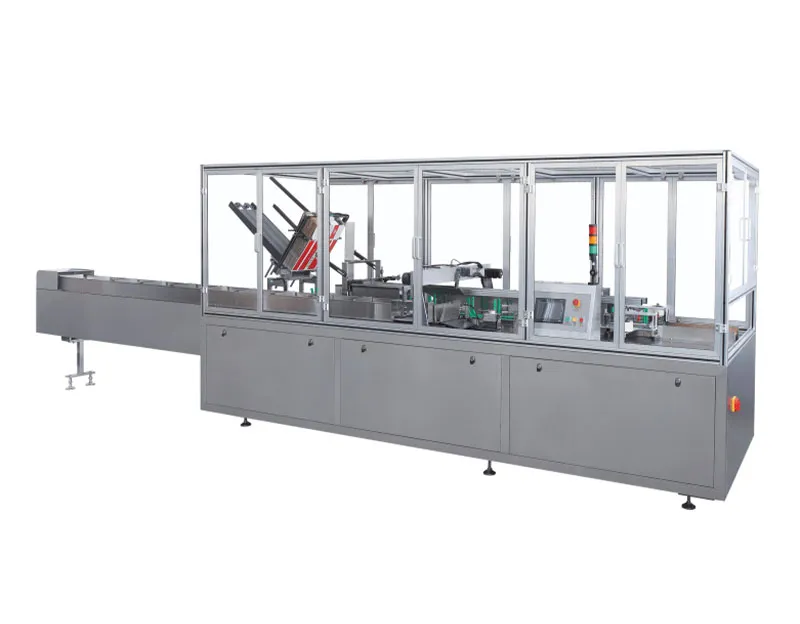
Case sealing is the final step in the secondary packaging process. After individual product cartons are grouped and placed into a master carton, the case must be closed and secured to protect its contents during storage, handling, and transportation.
The sealing method you choose affects:
Product protection: A weak seal can result in cartons opening during transit, leading to product damage, returns, and lost revenue
Material costs: The consumable cost per case varies significantly between glue and tape
Equipment costs: Glue systems typically require higher initial investment than tape systems
Maintenance requirements: Different sealing technologies demand different levels of cleaning, calibration, and spare parts inventory
Tamper evidence: Some sealing methods provide clearer visual evidence of tampering than others
Regulatory compliance: Pharmaceutical and food applications may have specific sealing requirements for safety and traceability
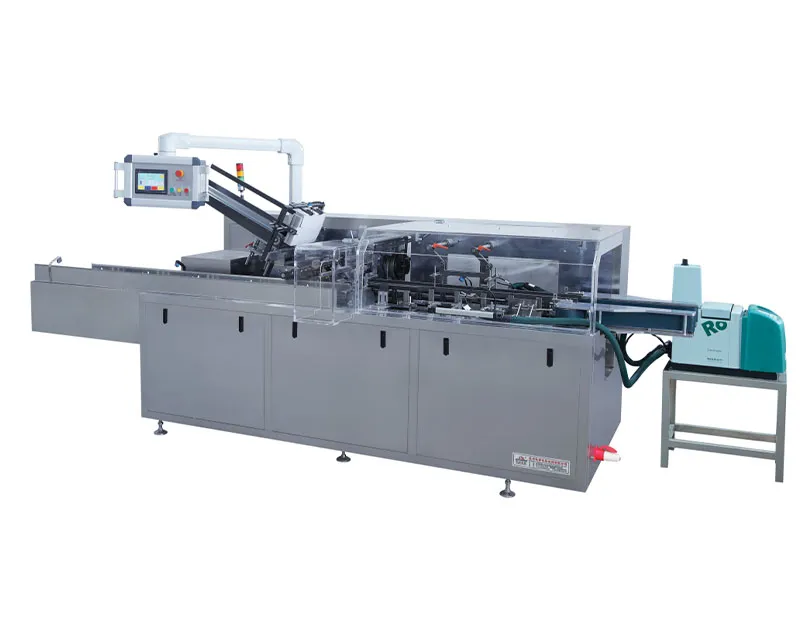
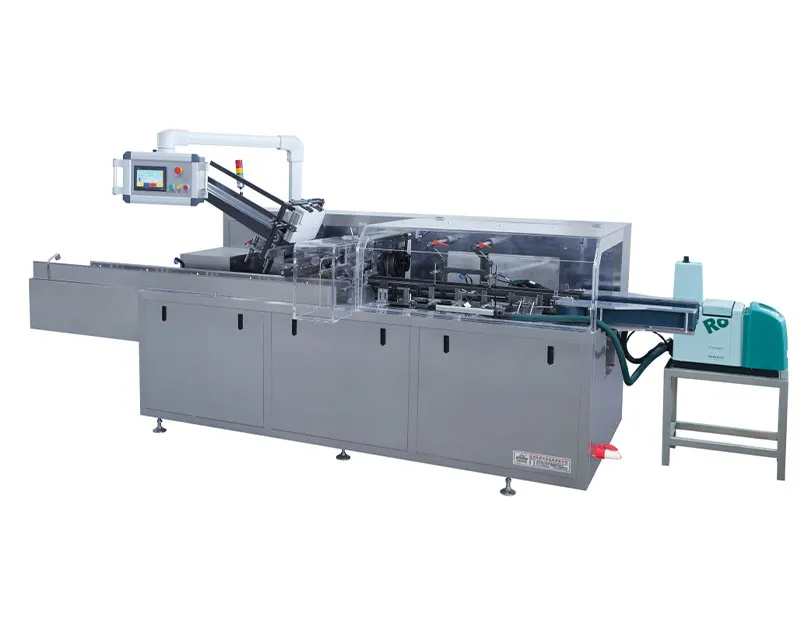
Understanding these factors is essential before selecting a master carton packing machine—such as KAIXIANG‘s KXZ-400 with glue seal or KXZ-600 with tape seal—as the sealing method is integrated into the machine’s core functionality.
To understand how sealing methods integrate into master carton packing equipment, you can review the master carton packing solutions designed for different closure requirements. View our Master Carton Packing Machine overview
The following comparison summarizes the key differences between glue seal and tape seal across the dimensions that matter most to packaging operations.
| Dimension | Glue Seal (Hot Melt Adhesive) | Tape Seal (Pressure-Sensitive Tape) |
|---|---|---|
| Material cost per case | Lower—typically 50-75% less than packaging tape | Higher tape is a more expensive consumable over time |
| Initial equipment cost | Higher—glue systems require more complex components | Lower—tape heads are simpler and less expensive |
| Maintenance requirements | Higher—glue nozzles require cleaning; adhesive buildup needs regular attention | Lower—tape systems have fewer parts and less maintenance |
| Seal strength and durability | Stronger—glue locks major flaps onto minor flaps, creating a rigid, secure box | Moderate—tape seals the outside of flaps, which can be less consistent |
| Tamper evidence | More tamper-evident—attempts to open are more noticeable | Less tamper-evident—tape can be cut and reapplied |
| Temperature resistance | Better—hot melt adhesives withstand varying temperatures | Variable—tape adhesion can degrade in extreme temperatures |
| Application flexibility | Requires internal product resistance for proper sealing | Ideal for sealing empty or lightweight boxes |
| Changeover time | Longer—glue system adjustments and cleanup take more time | Shorter—tape roll changes are quick and simple |
Hot melt adhesive (glue) sealing applies molten adhesive to case flaps, which then bond as the adhesive cools and solidifies. According to industry analysis, glue material typically costs 50-75% less than packaging tape. These material savings can amount to significant sums over time, particularly for high-volume operations.
The bond created by hot melt adhesive is also stronger than tape. Glue locks the major flaps onto the minor flaps, creating a much more rigid and secure box. This strength is particularly valuable for:
Heavy products that put stress on case seals during stacking and transit
Long-distance shipping, where cases undergo multiple handling events
Rough handling environments, such as e-commerce fulfillment centers
Temperature-variable supply chains where tape adhesion may fail
Hot melt adhesives create a stronger bond compared to tape, providing more secure packaging that can withstand rough handling and varying temperatures. A hot melt seal is also more tamper-evident than tape—any attempt to open the package is more likely to be noticeable.
However, glue systems require higher initial capital investment and more maintenance. Glue nozzles must be cleaned regularly to prevent clogging, and adhesive buildup on machine components requires periodic attention.
Pressure-sensitive tape sealing applies adhesive tape across case flaps. Tape heads are significantly cheaper than glue systems, requiring less upfront investment. Tape systems also require less maintenance than glue systems, meaning less downtime for your production line.
Because tape is applied to the outside of the case, it is ideal for sealing empty boxes where there is no internal resistance. This makes tape sealing particularly suitable for:
Lightweight products that do not stress case seals
Operations with frequent changeovers, where quick tape roll changes are advantageous
Facilities with limited maintenance resources or less specialized technical staff
Applications requiring visual branding—tape can be printed with logos or handling instructions
However, tape is a more expensive consumable over time. And while tape sealing equipment is more affordable as an initial investment, the cases that run on the equipment are more expensive in the long term due to ongoing tape costs.
For tape sealing to be effective, the flaps must meet in the middle to ensure a proper seal. If cases are overfilled or flaps are damaged, tape may not adhere properly.
External source: The global secondary packaging market was valued at approximately USD 276.93 billion in 2025 and is projected to reach USD 339.20 billion by 2030, growing at a CAGR of 4.14%. This growth reflects increasing demand for packaged products across food, pharmaceutical, and consumer goods sectors—and underscores the importance of choosing the right sealing method for your specific application.
The choice between glue seal and tape seal depends on your specific products, volume, and operational priorities. Use this decision framework to guide your selection.
| Condition | Why Glue Is Preferred |
|---|---|
| Heavy products | Glue creates a rigid, secure box that can withstand the weight of heavy contents during stacking and transit |
| Long-distance or rough handling | Hot melt adhesive withstands rough handling and varying temperatures better than tape |
| Tamper-evidence required | Glue seals are more tamper-evident—attempts to open are more noticeable |
| High-volume, dedicated lines | Material cost savings (50-75% less than tape) compound significantly over millions of cases |
| Temperature-variable supply chains | Glue maintains bond integrity across a wider temperature range |
| Pharmaceutical or food applications | Regulatory and safety requirements often favor permanent, tamper-evident seals |
| Condition | Why Tape Is Preferred |
|---|---|
| Lightweight products | Tape is ideal for sealing empty or lightweight boxes where there is no internal resistance |
| Limited capital budget | Tape heads are significantly cheaper than glue systems |
| Frequent changeovers | Tape roll changes are quick and simple, reducing downtime |
| Limited maintenance resources | Tape systems require less maintenance than glue systems |
| Branded or printed sealing | Tape can be custom-printed with logos, handling instructions, or promotional messages |
| Low-to-medium volume operations | The higher consumable cost of tape is less impactful at lower volumes |
Different industries have different priorities when it comes to case sealing. Here is how food, pharmaceutical, and daily chemical lines typically approach the decision.
Food producers often operate at high volumes where material cost savings matter significantly. Glue sealing is frequently preferred for its lower per-case material cost and stronger seal integrity. However, food facilities must also consider sanitation—glue systems require regular cleaning to prevent adhesive buildup that could attract pests or harbor contaminants.
Recommendation: Glue seal for high-volume, dedicated food lines; tape seal for lower-volume or highly seasonal operations.
Pharmaceutical producers face strict regulatory requirements around product protection and tamper evidence. Glue seals provide a permanent, tamper-evident closure that supports compliance with track-and-trace and serialization requirements. The stronger bond also ensures product protection during the rigorous handling typical of pharmaceutical supply chains.
Recommendation: Glue seal for most pharmaceutical applications. The KXZ-400 with glue seal is specifically designed for applications requiring secure, permanent sealing.
Daily chemical products (cosmetics, toiletries, household cleaners) often have high SKU counts with frequent packaging changes. Tape sealing‘s quick changeover and lower maintenance requirements may be advantageous. However, if products are heavy (e.g., liquid detergents) or ship long distances, glue sealing’s superior strength may be worth the additional maintenance.
Recommendation: Tape seal for lightweight, high-mix operations; glue seal for heavy products or long-distance shipping.
For industry-specific packaging considerations, you can explore packing machines for different sectors.
View Packaging Solutions for Food & Beverage, Pharmaceutical Product Applications, and Daily Use Product Applications.
In a book distribution center, cartons of books must withstand long-distance shipping and multiple handling events. The KXZ-400 master carton packaging machine with glue seal securely seals cartons of books, safeguarding them during transit. The glue seal ensures cartons remain intact even when stacked on pallets or transported across continents.
Why glue works here: Books are heavy; glue provides the rigid seal needed to contain the weight during stacking. The permanent seal also deters tampering during transit.
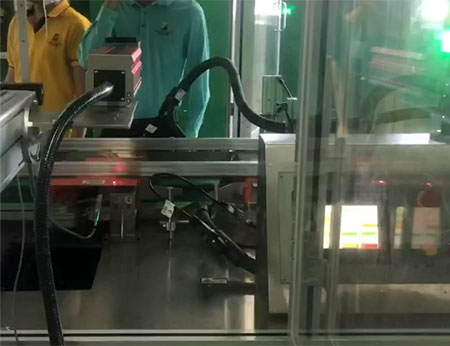
In a beverage plant, the KXZ-600 master carton packaging machine rapidly packages cases of bottled drinks into master cartons, optimizing storage and transportation for high-volume distribution. The KXZ-600 seals the bottom and top of cartons with tape.
Why tape works here: Beverage cases are typically uniform in size, and tape provides a clean, efficient seal. The higher volume justifies the machine investment, while the tape system‘s lower maintenance requirements support continuous 24/5 operation.
If this glue seal vs tape seal comparison was useful, the following articles will help you complete your end-of-line packaging planning:
Master Carton Packing Machine Selection Guide: KXZ-400 vs KXZ-600
Case Erection Systems: Manual, Semi-Automatic, and Fully Automatic Options Compared
Integrating Master Carton Packers with Cartoners: Speed Matching and Accumulation Strategies
End-of-Line Automation ROI Calculator
Palletizing After Case Packing: Manual, Semi-Automatic, and Robotic Options
Sep 14,2026
Aug 31,2026
Aug 26,2026 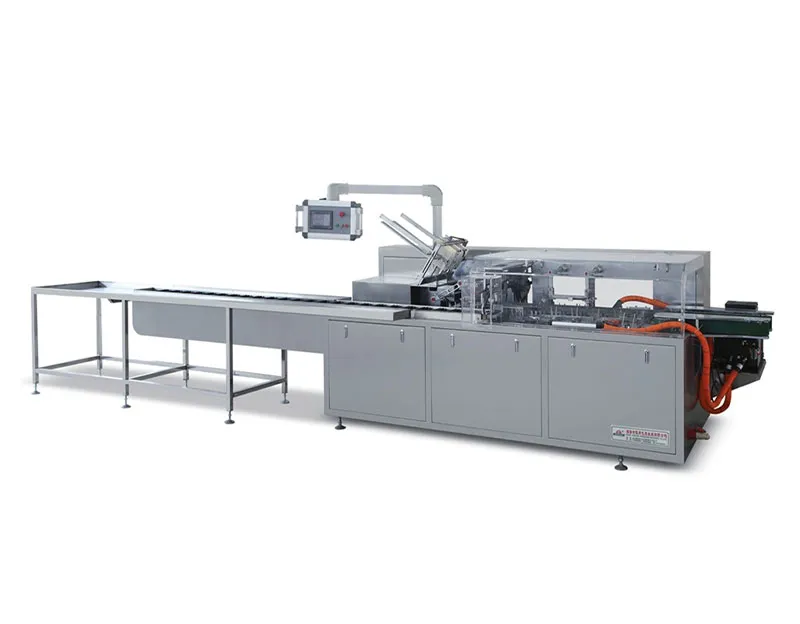
GET A QUOTE