

 Oct 27
Annual electricity cost for a cartoning machine is not calculated from the nameplate power alone. A practical estimate uses four inputs: the confirmed running power of the main drives and auxiliary systems, the average load factor during production, the actual running hours per year, and the local electricity rate. Compressed air and vacuum generation should be included because they often represent a hidden share of the electricity bill. The result is an estimate, not a guarantee, and should be confirmed with the supplier’s configuration data and the buyer’s own operating records.

A cartoning line consumes electricity through several subsystems. Buyers who only look at the main motor power may miss a significant part of the bill.
Motors and Drives: The main drive, conveyor motors, infeed motors, and servo axes consume electricity during production. Servo-driven machines may have different consumption profiles from mechanical cam-driven machines, especially during acceleration and idle periods.
Compressed Air: Pneumatic cylinders, vacuum generators, air blow-off, and reject gates use compressed air. Compressed air is produced by a compressor, and compressor electricity is part of the line’s energy cost even though it is not measured at the cartoner.
Vacuum System: Carton opening, product pick-up, and some reject systems use vacuum. Vacuum can be generated by a dedicated vacuum pump or by compressed air through a venturi. Both methods consume energy, but the cost appears in different places.
Heating and Sealing: Hot melt glue systems, sealing jaws, and some coding systems use heating elements. Heating power depends on the sealing method, the glue type, and how often the machine is in standby.
Controls and Auxiliary: PLC, HMI, sensors, cooling fans, cabinet air conditioners, and lighting consume a smaller but continuous amount of electricity, especially when the machine is powered but not producing.
The nameplate or installed power of a cartoning machine is the sum of the rated power of all installed components. It is used for electrical design, cable sizing, and safety planning. It is not the same as the average power consumed during normal production.
Running power is usually lower than installed power because not all components run at full load at the same time, motors rarely operate at 100% of rated load continuously, heating elements cycle on and off, vacuum and air consumption vary by cycle, and the machine may run at less than maximum speed for part of the shift.
For energy cost estimation, buyers should ask the supplier for the normal running power or average power during production, not only the installed power. If the supplier cannot provide this, the estimate should use a clearly stated assumption and be marked as such.
A workable formula is:
Annual electricity cost = Running power (kW) × Load factor × Running hours per year × Electricity rate
Where running power is the confirmed average power during production in kW, load factor is the average output as a share of rated output expressed as a decimal, running hours per year is actual production hours rather than calendar hours, and electricity rate is the local cost per kWh.
This formula gives an estimate for the cartoner itself. Compressed air and vacuum should be added separately if they are not included in the running power figure.
Load factor reflects how hard the machine actually works during the shift. A line running at full rated speed with few stops has a higher load factor than a line with frequent changeovers and minor stops. Buyers can start with a conservative assumption and update it after the first months of production.
Running hours should reflect real production, not calendar hours. If the factory runs two shifts of seven productive hours each, the annual running hours should be based on that figure, not on 24 hours per day.
Electricity rates vary by country, region, tariff structure, and time of use. Buyers should use their own rate, including demand charges if applicable.
The table below is a template. It intentionally uses placeholders instead of specific numbers because actual values depend on the machine configuration and the buyer’s site.
| Input | Symbol | Source | Example Value |
|---|---|---|---|
| Running power | P | Supplier-confirmed data | ___ kW |
| Load factor | L | Buyer estimate from production data | ___ |
| Running hours per year | H | Buyer production plan | ___ h |
| Electricity rate | R | Local utility bill | ___ per kWh |
| Annual electricity cost (cartoner) | E | P × L × H × R | ___ |
| Air consumption | Q | Supplier-confirmed data | ___ Nl/min |
| Compressor specific power | S | Compressor datasheet | ___ kW per m³/min |
| Annual air electricity cost | A | Q × S × H × R (unit-adjusted) | ___ |
| Total annual energy cost | T | E + A | ___ |
Buyers should fill this table with their own values and review it with the supplier before comparing machines. The full TCO model for cartoning lines places this energy estimate alongside labor, changeover, downtime, maintenance, and compliance costs.
Compressed air is often the largest hidden energy cost in a cartoning line. Pneumatic cylinders, vacuum generators, and air blow-off all consume compressed air, and the compressor that produces it uses electricity.
Two practical points: air consumption should be quoted at a defined pressure, because a machine that uses more air at the same pressure costs more to run; and venturi vacuum generators consume compressed air continuously while operating, while a dedicated vacuum pump may consume less energy in some applications. The choice depends on the machine design and duty cycle.
Buyers should ask for air consumption in normal liters per minute or cubic meters per hour at the recommended pressure, and then convert it to electricity cost using the compressor’s specific power.
Different cartoning machine types have different energy profiles. The table below describes general tendencies, not fixed values.
| Machine Type | Typical Energy Profile | What to Confirm |
|---|---|---|
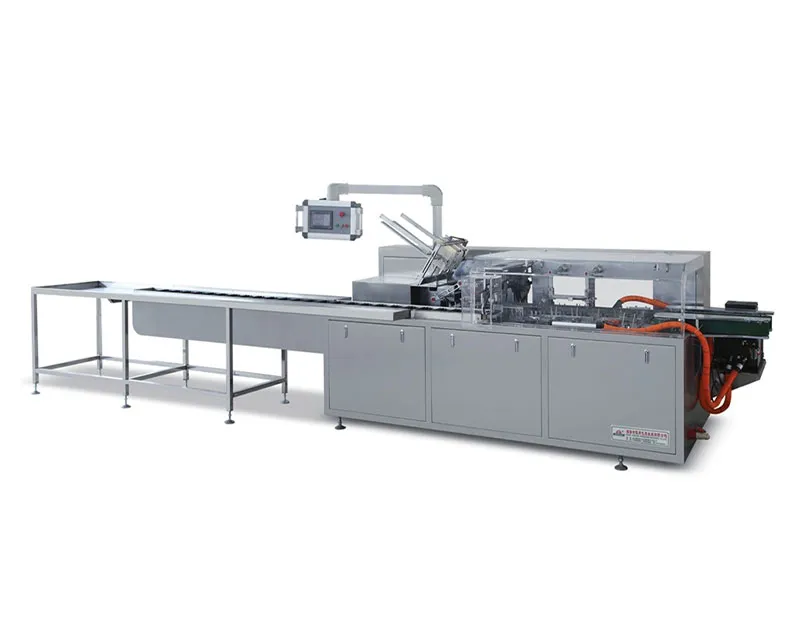
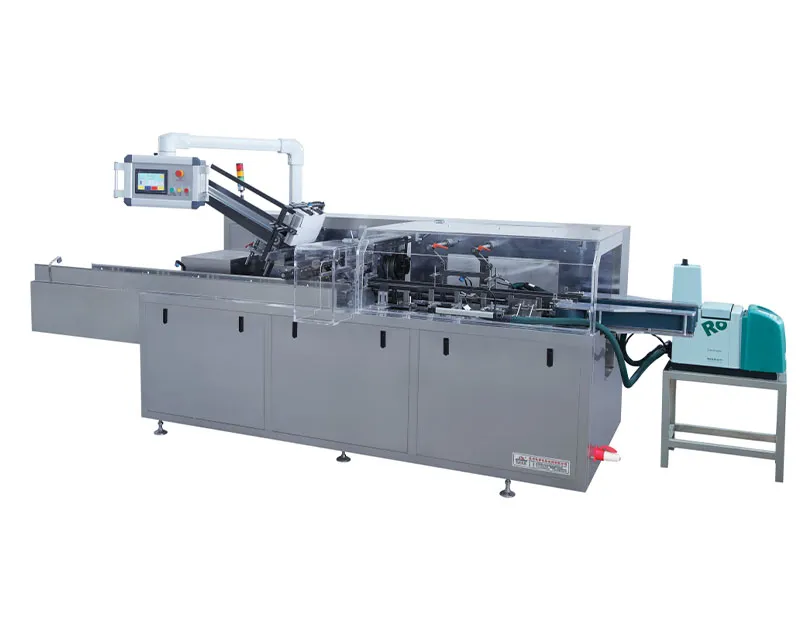
| Horizontal cartoning machine | Moderate drive power; air used for carton opening and reject | Running power, air consumption at pressure |
| High speed cartoning machine | Higher drive and servo power; more air and vacuum demand at higher cycle rates | Running power at production speed, air consumption per cycle |
| Vertical cartoning machine | Moderate drive power; air used for product release and carton opening | Running power, air consumption, vacuum method |
| Master carton packing machine | Higher air demand for case handling and sealing | Air consumption, glue or tape sealing energy |
A high speed machine may have higher installed power but a lower energy cost per carton if it runs efficiently and reduces idle time. A slower machine may have lower installed power but a higher energy cost per carton if it runs inefficiently. The comparison should be made per carton, not only per machine. The high speed cartoning machine and horizontal cartoning machine pages provide model-level context for this comparison.

Energy cost per carton can be reduced by improving how the line runs, not only by changing the machine.
These measures do not require a new machine, but they can change the annual energy cost over time. The service and support process can help plan maintenance actions that support energy efficiency.
Before comparing machines, buyers should ask the supplier for the following information. If a supplier cannot provide it, the buyer should treat the missing data as a risk in the comparison.
Electricity use depends on machine type, configuration, running speed, load factor, and auxiliary systems. Buyers should ask the supplier for normal running power and air consumption, then calculate annual cost using their own running hours and electricity rate.
No. Installed power is the sum of rated component power used for electrical design. Running power is the average power during production and is usually lower. Energy cost should be estimated from running power, not installed power.
Yes. Compressed air is produced by a compressor that uses electricity. Air consumption should be included in the line’s energy cost, even though it is not measured at the cartoner.
Energy cost per carton = Annual electricity cost / Annual carton output. Both figures should be based on actual or realistically estimated production data.
High speed machines may have higher installed and running power, but energy cost per carton can be lower if the machine runs efficiently and reduces idle time. The comparison should be made per carton under realistic operating conditions.
Yes. Stable running speed, reduced idle time, air leak repair, correct air pressure, and worn part replacement can reduce energy cost over time without changing the machine.
Estimating annual electricity cost for a cartoning machine requires confirmed running power, a realistic load factor, actual running hours, and the local electricity rate. Compressed air and vacuum should be included because they are part of the same energy bill. The result is an estimate that should be updated after the first months of production.
If you are building a TCO model for a cartoning line, start with the energy data from the supplier and compare machines on cost per carton, not only installed power. You can review the available horizontal cartoning machine and high speed cartoning machine configurations, and discuss the material and production requirements with our engineering team to confirm the energy inputs for your project.
GET A QUOTE