

 Apr 22
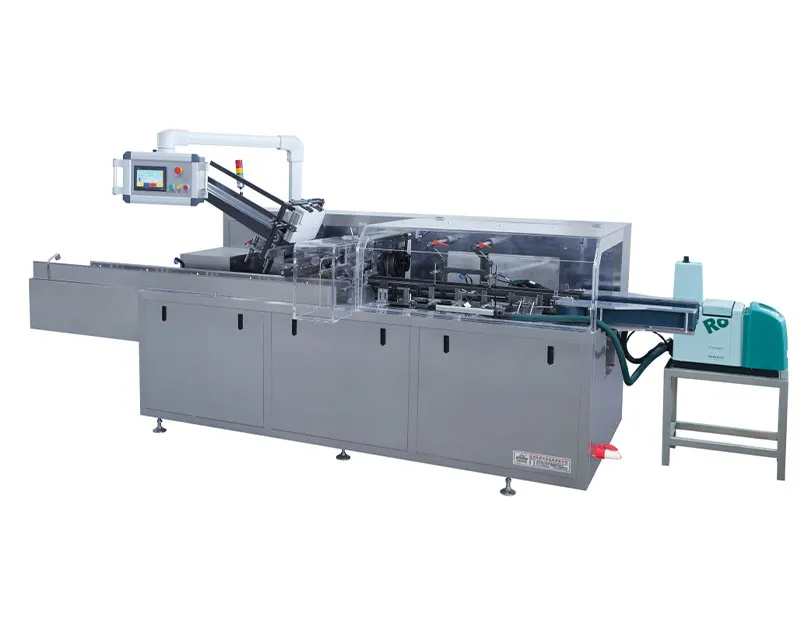
If you’ve ever wondered how those neatly sealed cereal boxes, pharmaceutical blister packs, or frozen pizzas end up perfectly wrapped on store shelves, the answer often lies in a Horizontal Cartoning Machine. Simply put, it’s an automated packaging system that erects a flat cardboard blank, loads the product from the side (horizontally), and seals it shut—all in one continuous, high-speed motion . Unlike vertical machines that drop items in from the top, this approach is the go-to solution for fragile, irregular, or pre-wrapped goods that need gentle handling.
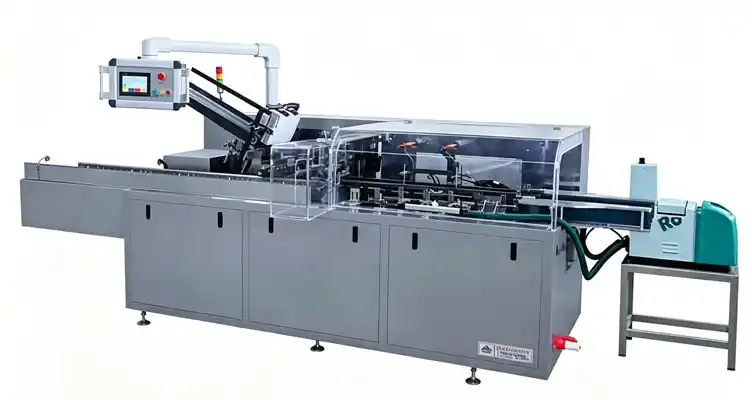
Let’s be real: nobody wants to buy a broken cookie or a crushed medicine box. In the world of secondary packaging, the method of insertion is everything. Vertical cartoners rely on gravity, which isn’t always your friend when dealing with delicate syringes or flow-wrapped snack bars .
The horizontal method keeps the product stable on a flat conveyor system. Imagine trying to slide a stack of papers into a drawer versus dropping them into a bin. The drawer (horizontal) keeps everything aligned. This is why industries dealing with high-value medical devices or soft baked goods swear by this technology. It reduces waste, protects the integrity of the item, and ensures that the final package looks pristine.
When you are laying out your production line, space is money. Here is where the decision gets tricky.
The Vertical (Top-Load) Approach: These machines are champions of the compact footprint. If you are packaging stackable items like bottles or cans, a vertical machine might save you floor space. However, they struggle with unstable loads .
The Horizontal (Side-Load) Approach: Yes, these systems usually require a larger spatial footprint because of the extended conveyor length. But what you lose in floor space, you gain in modular flexibility.
Modern end-load platforms, like those discussed in recent packaging expos, utilize modular servo-driven technology . This means you aren't just buying a box mover; you are buying a system that can integrate robotic pick-and-place arms, leaflet inserters, and serialization scanners (for pharma compliance) without breaking a sweat .
One of the biggest pain points for production managers is changeover time. Stopping a line for hours to switch from a Christmas-themed box to a standard box kills profitability. The latest generation of packaging automation addresses this head-on.
If you are looking at machinery that requires a toolbox and three technicians to change a format, you are looking at yesterday's tech. Today’s market demands tool-free changeovers . We aren't just talking about adjusting rails; we are talking about servo-adjustable formats that remember your settings. For a co-packer handling 50 different SKUs a week, this isn't a luxury—it’s the difference between profit and loss.
Let’s zoom into a high-stakes environment: pharmaceutical packaging. Here, the machine isn't just packing a box; it’s handling life-saving vials or pre-filled syringes. A drop of even six inches could crack a vial, rendering the product useless.
This is where the precision of a side-load platform becomes non-negotiable. Systems like the IWK CH series utilize energy-saving servo drives to cushion the insertion process . The product is literally guided into the carton, not dropped. If you are in the nutraceutical or pharma space, look for a continuous motion design that keeps the product stable throughout the journey, reducing the start-stop jerking that can destabilize contents .
So, how do you filter through all the noise of belt types, glue systems, and cycle speeds? It comes down to application-specific engineering.
While many vendors sell "one-size-fits-all" boxes, the reality is that a beverage multi-pack has different needs than a cosmetic display box. For buyers struggling with misshapen products or high-speed collation, the solution often lies in a customized Horizontal Cartoning Machine configuration. The specific configuration offered by Kaixiang focuses heavily on the "infeed" section—the part of the machine that nobody sees but where 90% of jams occur. By analyzing the exact center of gravity of your product, engineers can tailor the pusher mechanism to ensure zero-damage loading.
To see how a customized infeed can solve your specific product handling issues, explore the modular configurations available.
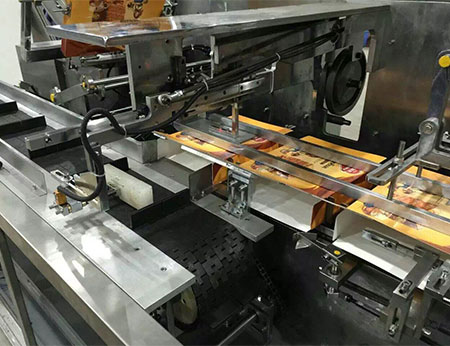
What happens after the product is inside? The seal. A bad seal means a box opens in transit, leading to returns.
Hot Melt Glue: Offers a strong, tamper-evident seal. It’s great for retail products but requires warm-up time and maintenance.
Tuck Flaps: These are mechanical and glue-less. They are faster to set up and better for the environment, but they can pop open under pressure .
High-speed end-load cartoners today often offer hybrid systems. You might run tuck flaps for a local shipment but switch to glue for international logistics where the boxes will be stacked higher. Your machinery needs to support both.
Downtime is the silent killer of OEE (Overall Equipment Effectiveness). A modern side-load cartoner is essentially a computer with moving parts. Look for features like decentralized servo drives. As noted by engineers studying systems like the Somic 434, placing the drive on the motor simplifies troubleshooting . If a servo fails, you swap one module in minutes rather than tracing wires through a junction box for hours.
Furthermore, integrated vision systems are no longer optional. They should be standard. These cameras check for barcode readability, leaflet presence, and flap alignment at 400 cycles per minute. If you are supplying major retailers like Walmart or Target, a misprinted code can trigger a chargeback. The machine needs to catch it before the box leaves the building.
Let’s break the myth that horizontal is only for big boxes. While they excel at flat-packed goods (pasta, cereal, crackers) and grouped items (beer cans, yoghurt pots), the tech has evolved. We now see horizontal machines handling small blister packs for gum or medicine with incredible precision .
However, if your product is a dense, round bottle that stands up perfectly on its own, a vertical machine might actually be cheaper and faster. The decision point is product stability. If your product rolls, tips, or crumbles, go horizontal.
The packaging world is moving toward serialization—unique codes for every pack to combat counterfeiting. Retrofitting an old vertical machine for this is a nightmare. However, modular horizontal platforms are built for this. You can add a printing and verification unit directly above the carton conveyor without re-engineering the whole line.
Before you buy, ask the vendor: "Can I add a second product infeed later?" or "Can I upgrade to a higher speed motor in five years?" If they say no, walk away. You need a platform that grows with your sales volume.
Choosing the right packaging machinery is a balance of speed, care, and flexibility. A Horizontal Cartoning Machine solves the specific pain point of gentle handling for fragile or irregular loads while offering high-speed output. It requires floor space but pays dividends in reduced waste and packaging integrity. For businesses ready to move beyond manual packing or unreliable vertical drops, discover the specific technical specifications for your industry.
Sep 14,2026 
GET A QUOTE