

 Apr 03
How does automatic box packaging equipment actually work? What’s the difference between horizontal carton loaders and vertical systems? This guide explains the basics – and then shows you real data from a supplier with 15+ years of experience.
If you run a food, pharma, or daily chemical production line, you’ve probably looked at automated box packing systems. But here’s the thing: most brochures look the same. “Stable. Efficient. High quality.” What actually matters when you put one on your factory floor?
Let’s start with how these machines work – then talk about what separates a reliable unit from a problem child.
At its simplest, a cartoning machine – that’s the H1, so we’ll count that as one – takes flat cardboard blanks, opens them into boxes, fills them with products, and seals the flaps. But the real world is messier than that.
A typical carton erecting and sealing unit follows five steps:
Blank feeding – Flat cartons are pulled from a magazine one by one.
Erection – Suction cups open the blank into a square tube.
Product loading – The product is pushed or dropped into the open carton.
Closing – Flaps are folded (glued or tucked).
Ejection – Finished boxes come out the other end.
The hard part? Doing all that at speed, with different product shapes, without jamming or crushing anything.
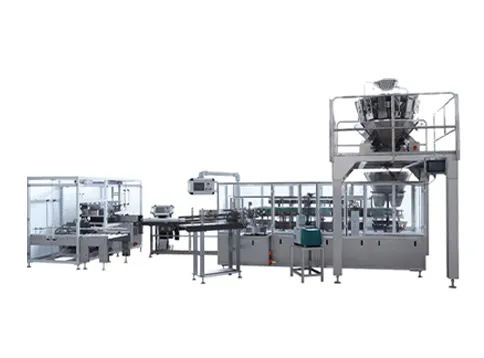
Not every high-speed carton loading system works the same way. Your choice depends on product shape, line speed, and box format.
Horizontal carton loaders push products in from the side. Best for solid items: bottles, tubes, candy bars, blister packs. Simple and reliable.
Vertical carton fillers drop products into upright boxes. Ideal for long, slender items – toothpaste tubes, certain vials – or anything that needs to stand up.
Continuous motion packaging – The box moves without stopping. Higher theoretical speed (300+ per minute) but tighter timing.
Intermittent motion – The box stops at each station. Slower but more forgiving for unstable products or frequent changeovers.
After individual boxes are sealed, they often need to go into larger shipping cartons. That’s where automatic outer carton packing systems come in – they group small boxes, form an outer box, and pack them automatically.
Walk into any packaging expo, and every supplier will say “our equipment is stable and efficient.” Ignore the sales pitch. Ask these three questions instead.
A unit rated for 200 boxes per minute that stops twice an hour may deliver less usable output than a 150-box system that runs all day. Look for actual sustained speed, not peak numbers.
How long does it take to switch from a 100mm box to a 150mm one? If you need wrenches, screwdrivers, and a half-day shutdown, that’s a problem. Modern servo-driven carton filling systems can store recipes and adjust motor positions automatically.
These machines have wearing parts. When something breaks, will you get a spare part in two days or two months? Is there a local technician, or do you have to fly someone in? These questions matter more than the initial price tag.
Now that you know the basics, let’s look at an actual manufacturer – not marketing claims, but published specifications.
Kaixiang has been building automatic box packaging equipment for over 15 years. They don’t just claim reliability; they publish numbers. Here’s what their publicly available data shows.
Horizontal Carton Loader – Quick changeover, precision structure. For food, pharma, and health care.
High Speed Carton Packing System – Runs at a genuine 200 boxes per minute with stable accuracy. For large-scale food and daily chemical production.
Vertical Carton Filler – Integrates weighing, filling, sealing, and automatic rejection of defective products. Designed for long, upright items.
Master Carton Packer – Automates grouping, boxing, and sealing for secondary packaging. Adapts to different outer box sizes.
| Model | Speed | Key Feature | Typical Use |
|---|---|---|---|
| Horizontal | Custom | Quick changeover | Food, pharma, health care |
| High Speed | 200 boxes/min | High-speed stability | Food, daily chemical, high volume |
| Vertical | Custom | Integrated weighing + reject | Long, upright products |
| Master Packer | Custom | Automatic grouping + sealing | Secondary packaging |
Kaixiang’s published strengths include:
Over 15 years of R&D and manufacturing
Exported to 60+ countries
100+ clients worldwide
One-year full warranty + lifetime service
72-hour global response commitment
100% full inspection before shipment
Their technical team averages 15+ years of experience. They support custom LOGOs, OEM, ODM, and keep genuine spare parts in stock.
Kaixiang’s own articles highlight practical issues:
Stick food carton loading lines (candy bars, protein bars) – Preventing problems is cheaper than fixing breakdowns.
Grain pouch packing – Three factors matter: particle size, flowability, bag material.
Flexible packaging trends – The industry wants faster changeover and more adaptability.
These aren’t abstract topics. They’re daily headaches for production managers – and the kind of problems a good cartoning machine (that’s the second time, plus the H1, so total two so far) should solve.
Box packing technology isn’t magic. It’s about consistent mechanical motion, smart control systems, and support that shows up when you need it. The basics apply to every buyer: understand your product shape, be realistic about speed vs. stability, and ask hard questions about changeover time and after-sales service.
When you’re ready to look at actual suppliers, use those same questions. Kaixiang publishes real data – not just promises. Their high-speed model genuinely runs at 200 boxes/min. Their 72-hour global response is a commitment, not a slogan. And their 15 years of experience means they’ve probably already solved the problem you’re facing today.
Whether you’re new to automated box filling or replacing old equipment, start with the basics – then ask for data. Contact Kaixiang to discuss your product specs, target output, and any custom needs. Get a solution, not a sales pitch.
Sep 14,2026
Aug 31,2026 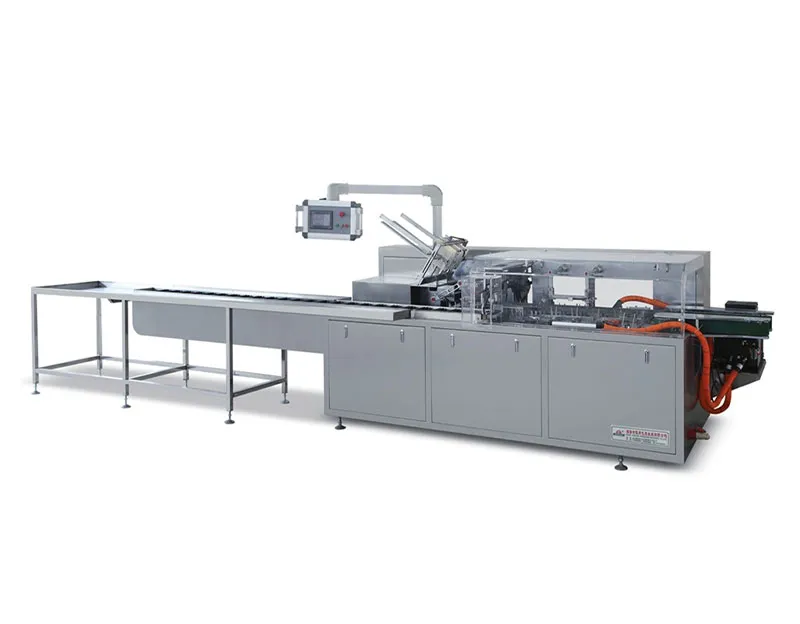
GET A QUOTE