

 May 20
You have a new product line ready for market. The primary packaging is decided: sleek stick packs for an on-the-go energy supplement, or rigid blister packs for a pharmaceutical tablet. Now comes the question that keeps production managers awake: what kind of cartoning machine actually handles these formats without constant jams?
The difference between running stick packs and blister packs is not subtle. One is flexible and floppy. The other is rigid and pre-formed. A machine that excels at one may choke on the other. Understanding why will save you months of frustration.
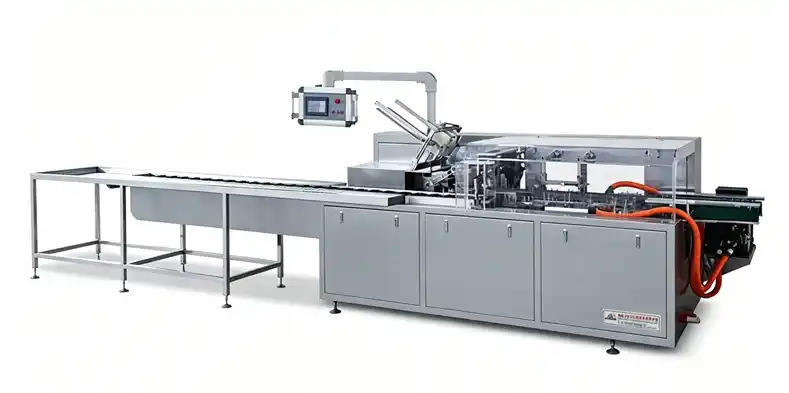
Let us start with stick packs. These narrow, pillow-shaped pouches are everywhere in the nutraceutical and coffee industries. They are lightweight, material-efficient, and consumer-friendly. But they are also floppy.
A stick pack fresh off the filling line has no structural rigidity. It bends, folds, and conforms to whatever surface it touches. When you try to push one into a carton using a standard reciprocating pusher, the pack buckles in the middle instead of sliding cleanly. The result is a jam, a wrinkled carton, or both.
An operations manager at a supplement contract packager described their early experience: "We bought a standard horizontal cartoner. The salesperson said it would handle stick packs. It jammed every 45 seconds. We spent six months modifying the infeed before it ran reliably."
The engineering solution for stick packs involves three specific features:
Gentle product handling: Low-pressure pushers or servo-controlled transfer systems
Supported infeed: The stick pack must remain fully supported throughout the loading zone
Carton opening reliability: Floppy packs require the carton mouth to be completely square before insertion
Blister packs are the opposite problem. A pharmaceutical blister is rigid, pre-formed, and often has a defined shape that nests with other blisters. They do not buckle during loading.
But blister packs have their own issues. They are typically wider than they are tall. They do not slide smoothly if the carton interior has any friction points. And they often come with printed leaflets that must be inserted alongside the blister.
The loading mechanism for blisters needs:
Precise product alignment: The blister's pockets must face the correct direction
Leaflet insertion capability: Many blister cartoning applications require a folded leaflet to be inserted on top of or underneath the blister
Tuck flap sealing: Unlike glue, tuck flaps allow consumers to open and reclose the carton, common for pharmacy dispensing
According to data from the pharmaceutical packaging sector, blister pack cartoning lines typically run at lower speeds than bottle lines but require higher accuracy. A misaligned blister can jam the cartoner or, worse, reach a patient with damaged tablets.
Here is where many equipment comparisons miss the point. The cartoner itself is often not the problem. The infeed is the problem.
Stick packs arrive from the filling machine in a continuous chain or as individual pouches. They must be singulated, oriented, and presented to the cartoner at the correct pitch. Standard belt infeeds struggle because stick packs have low friction and tend to slide sideways.
The proven solution for high-speed stick pack cartoning is lug chain infeed. Individual lugs (metal fingers) capture each stick pack from underneath and carry it through the loading zone. The pack cannot slide, rotate, or buckle because the lug supports its entire length.
A major European coffee pod manufacturer switched from vacuum belt infeed to lug chain for their stick pack line. Their jam rate dropped from 3.5% to 0.3%. At 400 packs per minute, that reduction saved over 1,200 packs per hour from being rejected.
Blister packs have a distinct top and bottom. The formed cavities face one direction; the lidding foil faces the other. If a blister enters the carton upside down, the product is essentially unsellable.
Orientation control for blisters typically requires:
Vision systems to verify blister orientation before loading
Reject gates to remove misoriented packs before they reach the cartoner
Timing screws to ensure consistent spacing between blisters
A pharmaceutical contract packager reported that adding a vision-guided orientation station to their blister cartoning line reduced customer complaints about upside-down product to zero. The system paid for itself in six months through avoided returns alone.
Stick packs rarely require leaflet insertion. The instructions are printed directly on the pack or on the carton itself.
Blister packs almost always require a folded leaflet. The leaflet contains dosage information, contraindications, and regulatory disclosures that cannot fit on the carton.
Leaflet insertion adds complexity:
Leaflet folding must be consistent (C-fold, Z-fold, or single fold)
Insertion timing must coordinate with product loading
Verification (often using cameras) must confirm the leaflet is present before sealing
According to pharmaceutical packaging guidelines (ISO 15378), leaflet presence verification is considered a critical control point. Machines without verification capability require manual inspection, which is rarely 100% effective.
Let us be direct about performance expectations.
Stick pack cartoners can run at extremely high speeds—400 packs per minute or more—because the packs are lightweight and continuous motion systems work well. However, high-speed stick pack lines are typically dedicated to a single pack size. Changeovers are time-consuming.
Blister pack cartoners run slower, typically 80-200 blisters per minute, depending on the number of blisters per carton. But they offer more flexibility for different blister configurations and leaflet variations.
A mid-size nutraceutical brand shared their decision framework: "We run stick packs for our single-serving products at high volume. We use a dedicated high-speed line. Our blister-packed products are lower volume but higher margin. That line is slower but can handle five different blister sizes without tool changes."
Stick packs are made of flexible laminate (often PET/Aluminum/PE). They generate static electricity during conveyance, causing packs to stick to guides or to each other. Proper static elimination (passive or active) is mandatory.
Blister packs are typically PVC, PCTFE, or aluminum-based. They do not have static issues but can scratch easily if the cartoner's guide rails are not properly adjusted. Scratched blisters look unprofessional and may be rejected by retailers.
A cosmetic contract packager noted: "We tried running blister packs on a machine with uncoated steel rails. The scratches were unacceptable. Switching to nylon or UHMW rails solved the problem completely."
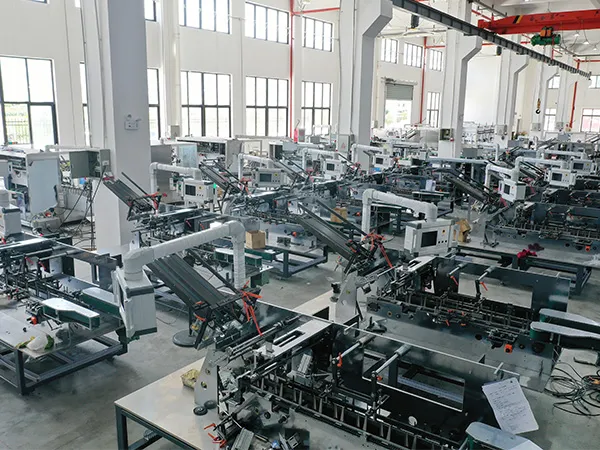
Can a single cartoning machine handle both stick packs and blister packs? The honest answer is yes, but with caveats.
A modular cartoning platform with interchangeable infeed sections can run both formats. The stick pack configuration uses lug chain infeed and gentle loading. The blister pack configuration uses timing screws and leaflet insertion. Switching between them takes 30-60 minutes.
However, a machine that is optimized for both will not be optimal for either. If you run extremely high volumes of one format, a dedicated machine makes more sense. If you run moderate volumes of multiple formats, the flexibility of a modular platform often outweighs the speed penalty.
For contract packers serving both nutraceutical and pharmaceutical customers, this flexibility is essential. One day they run 500,000 stick packs for an energy brand. The next day they run 100,000 blister packs for a supplement company. The same base machine handles both.
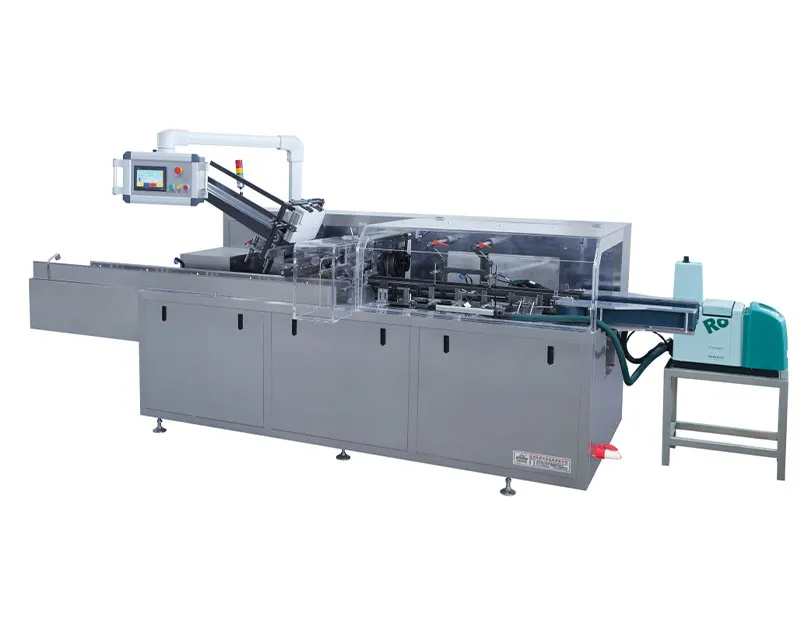
To understand which modular configurations support both formats effectively, explore the infeed options for flexible packaging applications.
| Factor | Stick Pack Cartoning | Blister Pack Cartoning |
|---|---|---|
| Primary challenge | Pack buckling during loading | Orientation control and leaflet insertion |
| Ideal infeed type | Lug chain or vacuum belt | Timing screws or walking beam |
| Typical speed range | 200-400 packs/min | 80-200 blisters/min |
| Changeover time | Longer (pack size sensitive) | Moderate (format sensitive) |
| Leaflet insertion | Not required | Almost always required |
| Static control needed | Yes (laminate materials) | No |
| Common industries | Nutraceuticals, coffee, powders | Pharma, medical devices, gums |
Operators who learn on blister pack machines often struggle with stick pack lines. The troubleshooting skills are different. Stick pack jams require an understanding of static and friction. Blister pack jams involve orientation and leaflet folding.
A training manager at a large contract packager estimated that cross-training operators on both formats takes three times longer than training on a single format. "They have to unlearn habits," she explained. "What works for blister packs breaks stick packs."
If your operation will run both formats, plan for extended training time and consider designating specialist operators for each line.
Walk through these questions with your team:
What is your primary volume driver? High volume favors format-dedicated lines.
Do you require leaflet insertion? If yes, blister pack cartoning is your path.
What is your acceptable jam rate? Below 0.5% requires proper infeed design.
How many changeovers per week? More than five favor servo-adjustable modular platforms.
The worst outcome is buying a machine that "sort of" handles your format. You will spend years fighting jams, accepting rejects, and explaining to management why the line never hits its rated speed.
If you currently struggle with stick-pack buckling or blister-pack orientation, compare the infeed configurations for your specific packaging format before committing to a platform that cannot deliver the reliability you need.
Sep 14,2026
Aug 31,2026 
GET A QUOTE