

 May 12
You just finished a 12-hour production run. The master cartons are stacked on pallets, ready for shipping. Three weeks later, your customer sends photos of collapsed boxes, popped seals, and product damage. The glue failed.
This happens more often than equipment vendors admit. The difference between a seal that holds through rough transit and one that pops open in a warehouse is not about the machine itself. It is about understanding which adhesive technology matches your operating environment and shipping conditions.
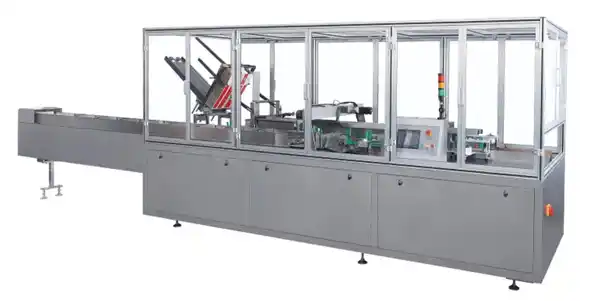
Walk into any packaging line, and you will find operators with strong opinions about adhesives. Some swear by hot melt. Others refuse to use anything except cold glue. Both are right for their specific applications. Both are wrong when applied to the wrong scenario.
The core difference comes down to chemistry and behavior. Hot melt adhesives are thermoplastics. They are applied hot and solidify as they cool, creating a bond within seconds. Cold glue (water-based or acrylic) bonds through evaporation or chemical reaction, requiring pressure and drying time.
According to adhesive industry data, the global industrial adhesives market exceeds $60 billion annually, with carton sealing representing a significant segment. Yet many production managers still select adhesives based on habit rather than analysis.
Here is where most buyers make their first mistake. They assume faster is always better.
Hot melt systems can bond in 1-3 seconds. The machine indexes, applies adhesive, compresses the flap, and the carton before it reaches the next station. For high-speed lines running 30-40 master cartons per minute, hot melt is essentially the only option.
Cold glue systems typically require 30-90 seconds of compression time. Some formulations need even longer in humid environments. If your line speed exceeds 15 cartons per minute, cold glue becomes physically impossible to implement without an extremely long compression section.
But speed has a hidden cost. Hot melt systems consume electricity continuously to keep adhesive tanks at operating temperature (typically 300-400°F / 150-200°C). A production line running two shifts can spend thousands annually just on the energy to keep glue molten during breaks and changeovers.
A pharmaceutical contract packager in the Midwest shared this painful lesson. They switched to hot melt for faster throughput. The seals held perfectly in their 70°F facility. But winter shipments to Minnesota arrived with seals that had turned brittle and cracked during low-temperature transit.
Hot melt adhesives have specific service temperature ranges. Standard formulations become brittle below freezing. Some specialty formulations extend the range, but they cost significantly more.
Cold glue faces the opposite limitation. Water-based adhesives can freeze during transit. Once frozen, the bond is permanently compromised. Acrylic cold glues perform better in low temperatures but cost 30-50% more than standard water-based options.
Ask yourself: where do your shipments go? What temperatures will those cartons experience during transit and storage? If you cannot answer these questions, you are guessing.
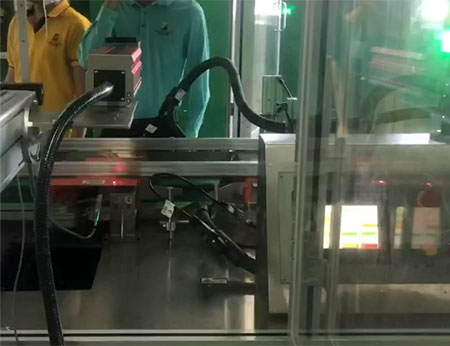
Let me describe two Monday morning scenarios.
Scenario A (Hot melt): You arrive at 6 AM. The machine has been idle since Friday. The glue in the tank has cooled and solidified. You wait 30-45 minutes for it to re-melt before you can start production. If you forgot to turn off the system on Friday evening, it has been consuming electricity all weekend.
Scenario B (Cold glue): You arrive at 6 AM. The glue system is ready immediately. But a nozzle clogged on Friday, and dried adhesive is blocking the application head. You spend 20 minutes cleaning it before production starts. By 9 AM, another nozzle is partially blocked, causing uneven application.
Both scenarios are real. Both frustrate operators.
Hot melt systems require periodic cleaning of the tank and hoses. Adhesive charring occurs when material sits at high temperature for too long. Charred particles clog nozzles and create inconsistent bead application. Scheduled tank draining and cleaning every 2-4 weeks is standard practice.
Cold glue systems demand daily nozzle cleaning. Water-based adhesives dry out in nozzles overnight. Some automated systems include nozzle purging cycles, but many require manual cleaning. If your line runs multiple shifts, this becomes a recurring labor cost.
This is the part that surprises many buyers. Under ideal conditions, properly applied cold glue can actually provide a stronger bond than hot melt on certain carton materials.
The reason involves fiber tear. When a sealed carton is opened, you want to see paper fibers torn away from the surface. That indicates the adhesive is bonded to the substrate itself rather than just sitting on top.
Cold glue penetrates porous carton board fibers before curing. Hot melt sits primarily on the surface because it solidifies too quickly to penetrate deeply. However, cold glue requires clean, dust-free carton surfaces. Any printing powder or coating contamination reduces bond quality significantly.
For recycled carton board or heavily printed surfaces with varnish coatings, hot melt often performs more reliably because it is less sensitive to surface contamination. For standard brown corrugate, both work well when properly applied.
Let us break down what the brochures do not tell you about total operating costs.
| Cost Factor | Hot Melt | Cold Glue |
|---|---|---|
| Adhesive cost per carton | Higher (thermoplastics are petroleum-based) | Lower (water-based is cheaper per unit volume) |
| Energy consumption | Significant (constant heating) | Minimal (pump only) |
| Maintenance labor | Moderate (periodic tank cleaning) | Higher (daily nozzle cleaning) |
| Application equipment cost | Higher (heated hoses, tanks, controls) | Lower (simple pumps and nozzles) |
| Floor space | Compact system | May require longer compression section |
Based on data from packaging industry cost analyses, a high-volume line running 5,000 master cartons daily might spend 15,000−15,000−25,000 annually on hot melt adhesive versus 5,000−5,000−10,000 on cold glue. However, the cold glue line might need an additional operator hour daily for nozzle cleaning, adding 7,000−7,000−10,000 in labor.
The break-even point varies by volume, labor rates, and energy costs.
Here is a question that should be on your checklist but rarely is: Does your product interact with the adhesive?
Hot melt adhesives can soften in high heat. If your master cartons sit in a shipping container in summer sun (interior temperatures can exceed 140°F / 60°C), the seal may weaken. Some food products stored in warm warehouses have experienced seal failure due to adhesive re-softening.
Cold glue adhesives can absorb moisture. In high-humidity environments or refrigerated storage, water-based seals can weaken or fail. Acrylic formulations resist moisture better but cost more.
For the pharmaceutical and nutraceutical industries, adhesive validation is critical. Some regulatory bodies require documentation that adhesives do not migrate through packaging or contaminate products. This validation process is often simpler for hot melt systems because the adhesive solidifies fully and does not remain "wet" in the same way cold glue does.
Modern packaging machinery increasingly integrates adhesive application with line control systems. The question is not just glue type but how the system communicates with the rest of your operation.
Hot melt systems benefit from faster cycle times, making them easier to integrate into high-speed case sealing operations. Cold glue remains viable for lower-speed lines or applications where drying time can be accommodated through longer conveyors or accumulation tables.
For operations running a mix of carton sizes and substrates, review the application consistency across different materials before finalizing your adhesive specification.
Stop guessing. Run this simple test.
Collect samples of your actual cartons (not pristine samples from the supplier—take them from the production floor with dust and handling marks)
Run both adhesive types on identical cartons using proper application equipment
Test seals under real conditions: freeze them, heat them, drop the boxes, stack them under load
Calculate total operating cost including adhesive, energy, cleaning labor, and reject rates
The adhesive that looks cheaper on the price-per-gallon basis may cost more in total. The one that bonds instantly may fail in transit. Only testing your actual cartons under your actual shipping conditions provides real answers.
For a deeper look at how different adhesive systems integrate with automated case sealing equipment, explain the specific requirements for your product mix to a packaging engineer before purchasing.
Some operations do not need to choose. Dual-system machines exist that can run both hot melt and cold glue, switching between them based on the job. The initial investment is higher, but for contract packagers running varied customer requirements, the flexibility often justifies the cost.
If 80% of your volume runs well on cold glue, but 20% requires hot melt for speed or substrate compatibility, a dual-system approach might be more economical than owning two dedicated machines.
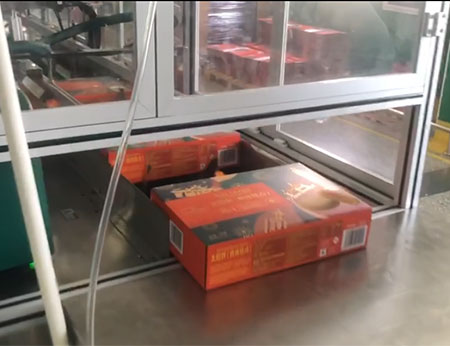
Here is the honest answer: there is no universally correct adhesive. Hot melt wins on speed and reliability on coated boards. Cold glue wins on cost and low-temperature performance on uncoated corrugate.
The right choice depends on your line speed, shipping environment, carton material, and available labor for maintenance. Anyone who tells you one adhesive is always better is selling something.
If you currently experience seal failures, adhesive buildup, or excessive maintenance on your case sealer, compare how different adhesive configurations affect total operating cost before assuming the problem is your machine rather than your adhesive choice.
Sep 14,2026
Aug 31,2026
Aug 26,2026 
GET A QUOTE