

 May 07
You have a new product line ready to launch. The formulation is finalized. The packaging design is approved. Now comes the stressful part: figuring out which cartoning machine will actually run those sleek tubes or delicate bottles without turning your launch week into a damage-control nightmare.
This is not an abstract technical debate. Get the orientation wrong, and you will spend years fighting jams, wiping scuff marks off premium packaging, or explaining to your finance team why the reject rate is stuck at 5%.
Let me share a conversation from a packaging facility I visited last year. The production manager pointed to a vertical cartoner running 50ml serum bottles. Every third cycle, a bottle tipped during the drop, jammed the mechanism, and stopped the line. Operators rushed over with flashlights and skinny pliers to extract the crushed glass and spilled liquid.
He said something that stuck with me: "The machine works fine on paper. It just doesn't work on our actual products."
That is the hidden trap. Equipment specifications tell you about maximum speeds and theoretical efficiency. They do not tell you how your specific tube or bottle will behave when gravity grabs it or a pusher shoves it.
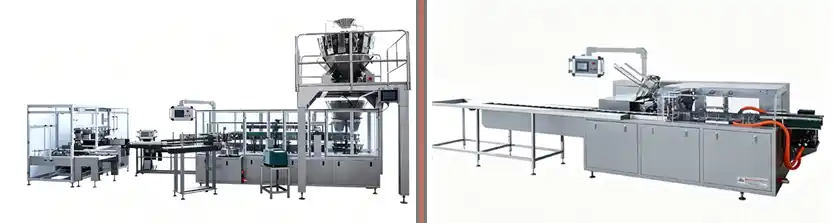
The fundamental distinction between cartoning orientations comes down to one question: how does the product enter the carton?
Vertical (top-load) cartoners rely on gravity. The carton sits upright. The product drops downward into it. This works beautifully for products that are stable, rigid, and happy to fall straight.
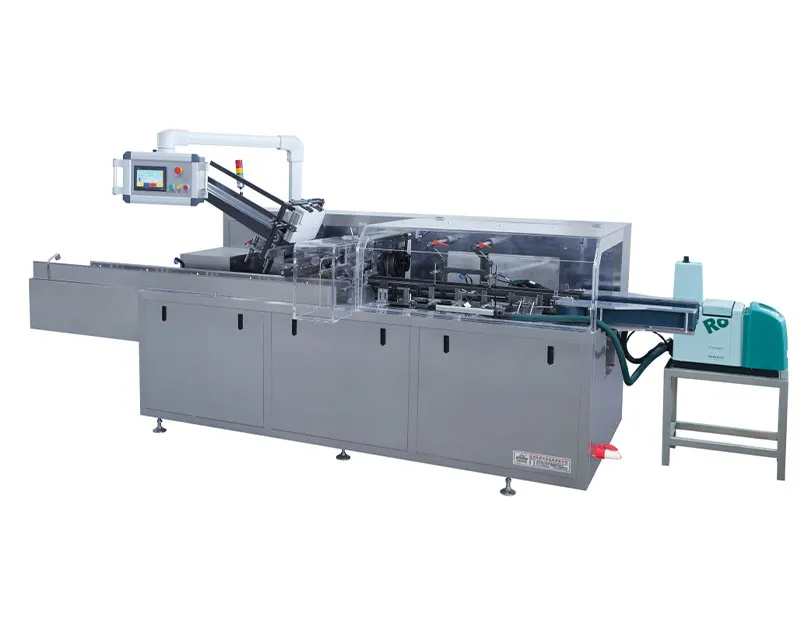
Horizontal (side-load) cartoners use mechanical force. The carton lies on its side. The product is pushed horizontally into it. This solves problems for products that roll, compress, or have an unstable center of gravity.
The brochures will give you plenty of numbers. But here is the practical reality: if your product is taller than it is wide, or round instead of square, or squeezable instead of rigid, gravity is not your friend.
Tubes are deceptive. A full laminate tube feels firm and stable. But when the loading mechanism pushes from behind, the tube buckles at the middle instead of sliding cleanly. The carton flap catches the wrinkled body. The machine alarms out.
This is not a maintenance issue. It is a physics mismatch. Tubes are designed to be squeezed, not shoved.
A properly configured horizontal system solves this by cradling each tube individually during transfer. Instead of a pusher hitting the back of the tube, a starwheel or lug chain carries the tube sideways into the waiting carton. No buckling. No wrinkles. No scratched graphics.
For operations running multiple tube sizes or shapes, explore the infeed configurations designed specifically for unstable containers before assuming a standard pusher system will work.
Bottles present a different challenge. A cylindrical bottle on a flat conveyor has minimal contact with the belt. When an intermittent machine stops and starts, the bottle wants to rotate and tip.
Industry data from PMMI indicates that containers with a height-to-diameter ratio exceeding 2:1 are roughly three times more likely to tip during indexing compared to square or short-wide formats.
The engineering solution? Continuous motion. Unlike intermittent systems that lurch forward and freeze, continuous motion flows like a river. Every bottle moves under constant forward pressure. No start. No stop. No tipping.
Continuous motion is standard on well-designed horizontal platforms but rare on vertical machines. If bottles represent a significant portion of your mix, this single feature might determine whether your line runs smoothly or requires constant babysitting.
Here is where many purchasing decisions go sideways. The machine that runs one SKU beautifully might become a bottleneck when you switch to a different product.
Consider this scenario. You run a 50ml tube. Then a 100ml bottle. Then a 30ml travel size. Each format requires different rail positions, different pusher depths, and different carton sizes.
On a mechanical machine with manual adjustments, each changeover might take two hours and require a technician with wrenches and calibration gauges. On a servo-driven horizontal platform with recipe storage, the same changeover might take twelve minutes with a touchscreen.
If you run ten changeovers per week, the annual time difference exceeds 800 hours. That is twenty full weeks of labor. One approach costs you money. The other saves it.
To understand how servo-driven changeover compares to manual adjustment for your specific SKU mix, review the format change specifications for different machine classes.
Let me be direct about something equipment salespeople rarely volunteer. Vertical machines drop products. Even with cushioned chutes and soft landings, the product experiences a free fall.
For some items, that drop is harmless. A sealed blister pack? Fine. A metal can? No problem.
But for glass bottles? Droppers that could crack? Tubes with delicate printing that scuffs on impact? That drop is a risk you are accepting every single cycle.
Horizontal systems never drop the product. The item is transferred directly from the infeed conveyor into the carton while remaining fully supported. This matters more for some products than others. Only you know your product's tolerance for impact.
Vertical machines win on floor space. That is just physics. Dropping products straight down takes less linear conveyor length than pushing them sideways.
If your facility is cramped and your products are stable (short, wide, rigid), a vertical machine might be the practical choice despite its limitations.
But if you have the space, the horizontal platform offers advantages that compound over time: lower reject rates, faster changeovers, less product damage, and the ability to run products that would choke a vertical machine.
This is not about which technology is "better." It is about which one matches your product portfolio and your operational reality.
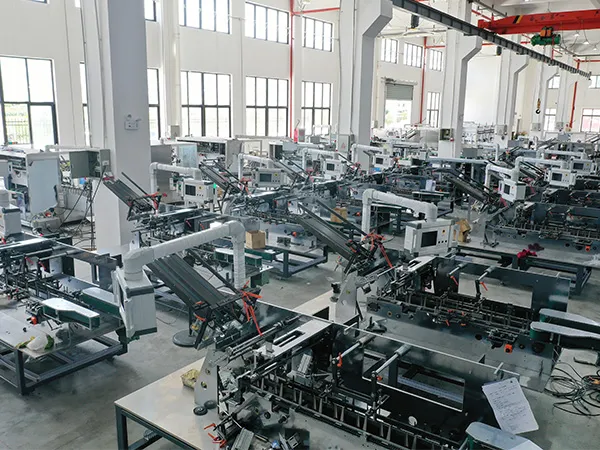
Stop looking at spec sheets. Start looking at your actual products. Walk through this checklist with your team.
Step one: Gather every SKU you run or plan to run. Place each one on a flat surface.
Step two: Push it from behind. Does it slide cleanly or tip over immediately?
Step three: Lay it on its side. Push it sideways. Different result?
Step four: Calculate your weekly changeovers. More than five? Changeover speed now matters more than purchase price.
Step five: Estimate your current reject rate from tipping, jamming, or scuffing. Multiply by your annual volume. That number is your hidden waste.
If your products tip when pushed, roll on the conveyor, or change shape under pressure, a horizontal platform is likely the correct answer. If your changeover frequency is high, servo-driven horizontal becomes even more compelling.
For a detailed look at how different machine configurations handle the specific products in your mix, compare the technical specifications across available platforms.
Some buyers assume they need separate machines for tubes versus bottles. That is increasingly false. Modern modular platforms allow the same base machine to handle both formats by swapping the infeed section.
Tube infeed uses starwheels or lug chains. Bottle infeed uses timing screws or continuous belts. The cartoning section remains identical. This approach reduces capital expenditure and simplifies maintenance.
If your product mix includes both tubes and bottles, this modular strategy deserves serious consideration.
There is no single "right" orientation for every production line. Vertical machines have their place. They are simpler, cheaper, and more compact. For stable, rigid products, they work fine.
But for the products that cause headaches—tubes that buckle, bottles that tip, fragile items that crack—horizontal platforms solve problems that vertical machines cannot. The difference shows up in reject rates, changeover times, and operator frustration levels.
Before you commit to any equipment, run your actual products through a test. Not theoretical numbers. Real cycles. Watch what happens. That observation will tell you more than any brochure.
If your current line struggles with tipping, buckling, or product damage, explore the specific horizontal configurations available for tube and bottle applications to see how continuous motion, starwheel infeeds, and servo changeovers might eliminate those problems.
Sep 14,2026
Aug 31,2026
Aug 26,2026 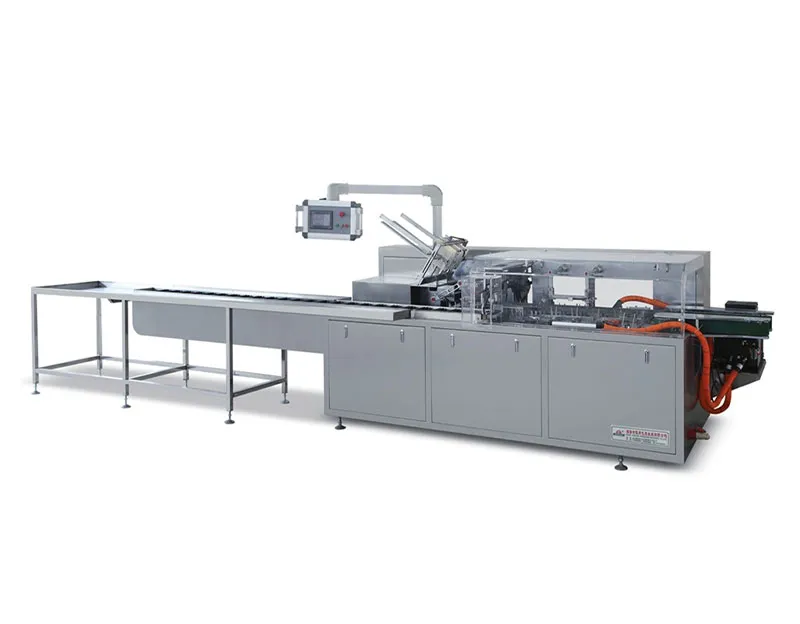
GET A QUOTE