

 Apr 14
If you’ve ever watched a stick pack machine spit out perfect 20mm-wide sachets at 80 packs per minute, you’ve probably asked yourself: How does it avoid jamming when the powder is sticky? The short answer is a synchronised dance of four core stations – film forming, vertical sealing, bottom sealing, and cross-cutting. But the real headache isn’t the mechanism; it’s keeping those seals intact when humidity spikes or when your granule size varies. Most buyers searching “how do stick pack machines work” aren’t looking for physics textbooks. They want to know why their current machine leaks and what design prevents that. Let’s get practical.
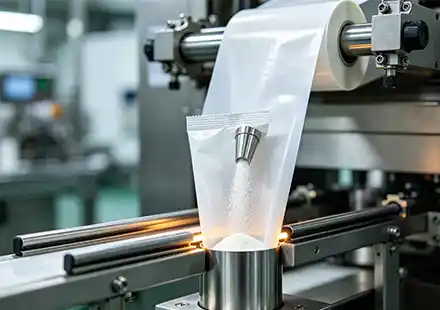
A stick pack machine operates like a tailor who never measures twice. The vertical form fill seal (VFFS) process pulls flat laminate film (often PET/AL/PE) over a forming tube. Here’s where 70% of onsite failures begin: uneven film tension. When the film wobbles, the heated seal bars miss their target by 0.3mm, creating micro-channels for moisture or oxygen. I’ve seen coffee stick packs turn stale in two weeks because of this.
The fix isn’t buying a pricier machine – it’s demanding servo-driven film pull belts instead of clutch-brake systems. Servo motors adjust tension 200 times per second. Brands like KAIXIANG embed these as standard on their stick pack lines, which explains why their users report <0.5% seal rejection even with biodegradable films.
Most entry-level stick packing equipment uses volumetric cup fillers. They’re cheap but evil when your powder density changes by 10% (which happens with turmeric, protein blends, or active pharma ingredients). A cup measures volume, not mass. So when your raw material settles during shipping, you suddenly underfill by 15%. Customers notice.
The human-centric solution: auger fill systems with real-time weight feedback. These use a rotating screw to push powder into the stick pack while a load cell checks each fill. If the weight drifts, the auger speed adjusts within two cycles. For liquid stick packs (honey, shampoo samples), piston fillers with anti-drip nozzles are non-negotiable.
Thinking of integrating a cartoner later? Many ignore that stick pack output orientation matters. If your machine discharges packs randomly oriented, no cartoning line will work smoothly. Always check if the supplier offers inline pack turning units. Explore how KAIXIANG solves this with modular discharge guides
Look at two used sachet packaging machines. One has shiny, flat seal jaws; the other shows zigzag patterns. Which to buy? Serrated jaws create mechanical anchoring – great for polyethene films but terrible for aluminium foil (it tears at the perforation). Flat jaws with temperature-controlled ceramic heaters produce hermetic seals for moisture-sensitive products like instant coffee or medical powders.
But here’s the insider trick: double-row seal jaws reduce downtime by 40%. Instead of one seal per cycle, they seal two stick packs simultaneously, then cut between them. That’s how you hit 120 packs/minute without burning the film. However, double-row systems demand precise film tracking – a job for ultrasonic sensors, not mechanical limit switches.
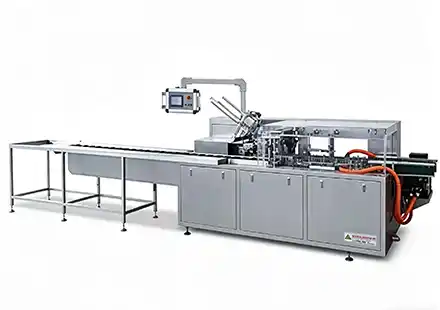
You’ve fixed sealing, mastered filling, and now your line runs at 90 packs/min. Suddenly, operators spend 50% of their time manually packing sticks into cartons. This is where most factory owners realise their mistake: they didn’t plan for secondary packaging.
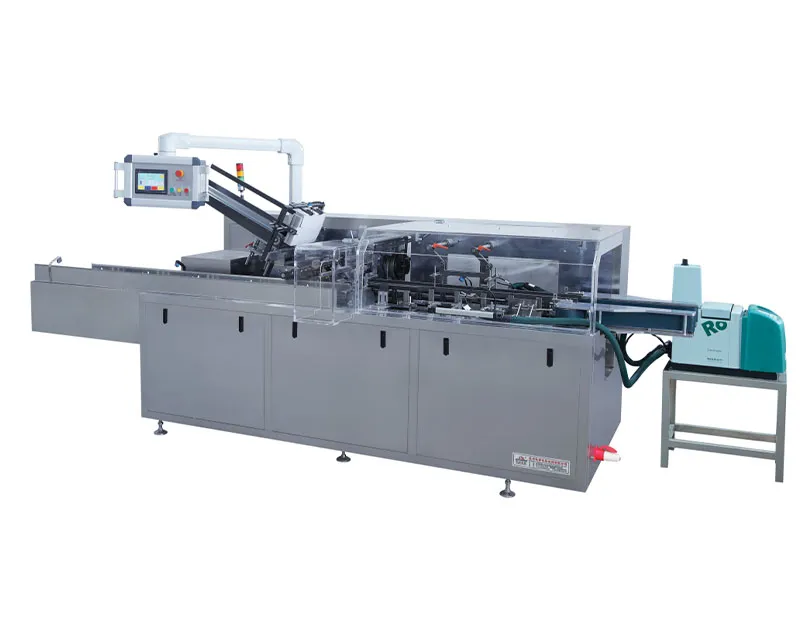
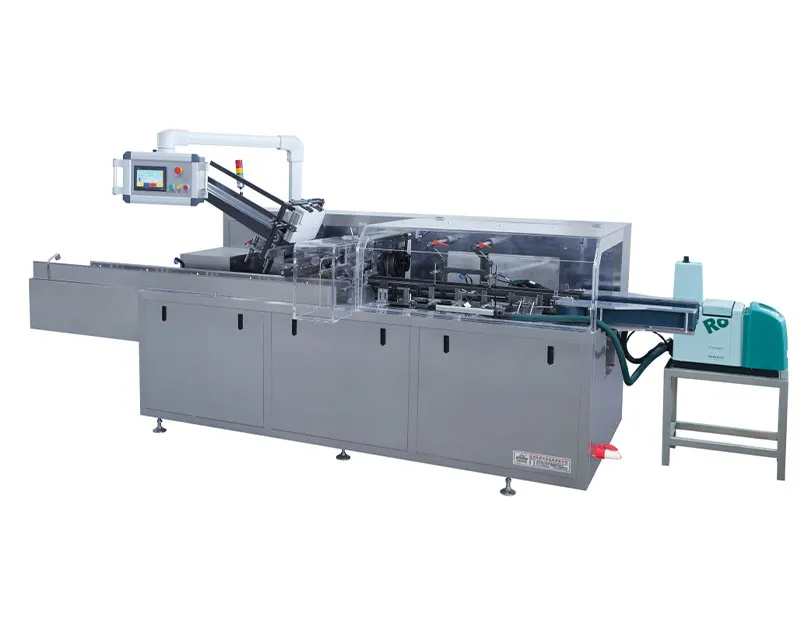
An Automatic Stick Food Cartoning Machine (mentioned here as one integrated option) bridges this gap by taking stacked sticks, inserting them into pre-glued cartons, and closing flaps. But not all cartoners accept stick pack formats. Some require stick collation groups (e.g., 10 packs per carton), which need an intermediate buffer conveyor. Compared to pneumatic cartoners (loud, high maintenance), servo-driven models adjust to different stick lengths without changing parts – a lifesaver for co-packers.
Other solutions, like flow wrappers for stick bundles, exist, but they lack the shelf-ready appeal of cartons. For retail, a cartoned stick pack signals premium quality. For e-commerce, it prevents crushing. If you’re running 24/5 shifts, explore integrated lines where the stick pack machine directly feeds a cartoning unit – you’ll cut labour by 60% based on a 2023 PMMI report on flexible packaging lines.
Generic stick pack machines assume your powder flows like water. Real production has sticky matcha, abrasive creatine, or fibrous protein isolates. That’s why top suppliers like KAIXIANG offer customised forming tubes (oval for wide sticks, stepped for easy tearing), anti-static film guides, and dust extraction ports on the filling zone.
Ask for a wet test before buying. Send 5kg of your actual material. A responsible vendor will record fill accuracy, seal strength, and dust generation. I’ve watched a “universal” machine fail spectacularly on cinnamon – it caked every seal jaw in 15 minutes. The customised version had PTFE-coated jaws and a brush cleaner. Same price, different outcome.
Does the machine support film splicing without stopping? (critical for long runs)
Are seal parameters logged per batch? (for FDA/SQF audits)
Is the operator interface in your local language with pictorial troubleshooting?
Can the supplier provide remote video support within 4 hours? (time zones matter)
Stick pack technology isn’t magic – it’s applied tension, temperature, and timing. But the human factor matters more. A well-designed machine respects your raw material’s quirks and your team’s fatigue at 3 AM. That’s the real answer to “how do they work” – they work with you.
Sep 14,2026 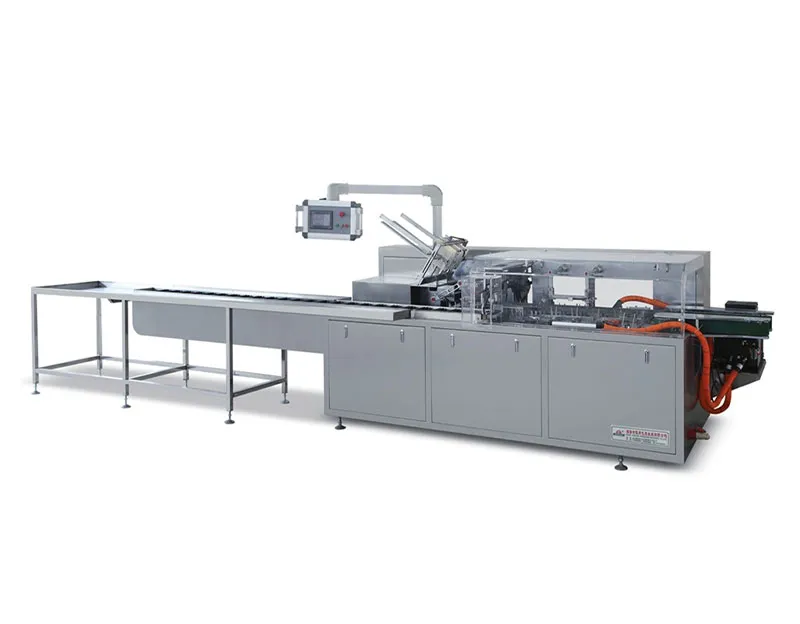
GET A QUOTE